
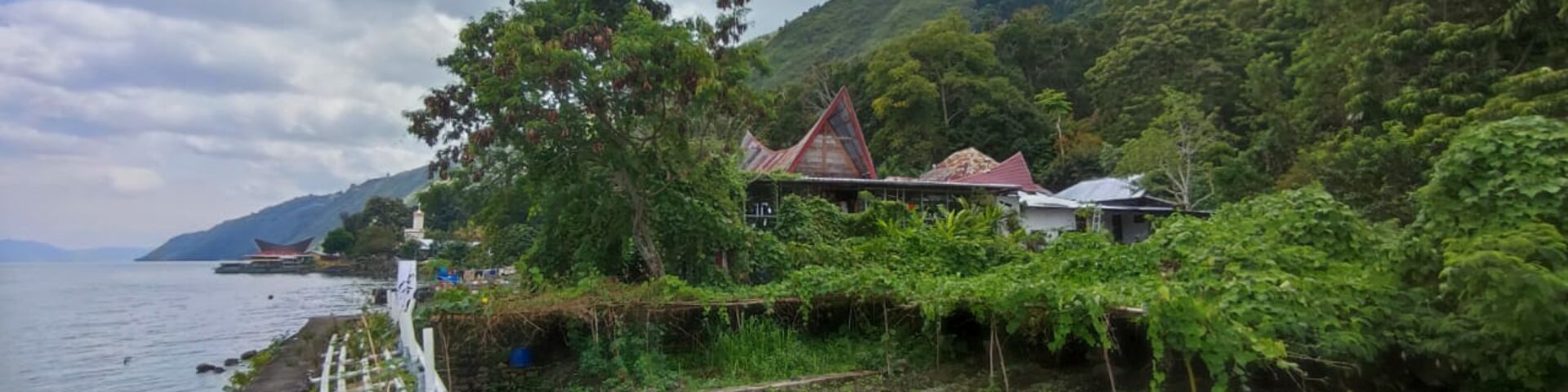

← Botanical Garden Silimalombu
Basic Information: Ipomoea aquatica is a semi-aquatic, tropical plant grown as a vegetable for its tender shoots and leaves. It is found throughout the tropical and subtropical regions of the world, although it is not known where it originated. This plant is known in English as water spinach, river spinach, water morning glory, water convolvulus, or kangkong in Southeast Asia. Ipomoea aquatica grows in water or on moist soil. Its stems are 2–3 metres (7–10 ft) or longer, rooting at the nodes, and they are hollow and can float. Water spinach is most commonly grown in East, South and Southeast Asia. It flourishes naturally in waterways and requires little, if any, care. It is used extensively in Indonesian, Burmese, Thai, Lao, Cambodian, Malay, Vietnamese, Filipino, and Chinese cuisine, especially in rural or kampung (village) areas. In Indonesian cuisine it is called kangkung, boiled or blanched together with other vegetables it forms the ingredient of gado-gado or pecel salads in peanut sauce. Some recipes that use kangkung is plecing kangkung from Lombok, and mie kangkung (kangkong noodle) from Jakarta.
Nutrition, Traditional Use and Research
The statements below describe nutrition facts, traditional use and published research. They are not health claims for our products.
- Water spinach (kangkung) is a leafy vegetable that contains minerals such as zinc and selenium. Zinc and selenium contribute to the normal function of the immune system and the protection of cells from oxidative stress.
- In traditional folk belief in some regions, water spinach is eaten in the evening to relax. There is no scientific evidence to support this.
- Water spinach provides about 2.5 mg of iron per 100 grams. Iron contributes to normal red blood cell formation and normal oxygen transport in the body.
- Water spinach is a source of vitamin C and vitamin A and contains fiber. Vitamin C contributes to the normal function of the immune system, vitamin A to the maintenance of normal vision, and fiber to normal bowel function.
Fun facts:
- Kangkung is an illegal vegetation in Texas, US. The plant has been on Texas’ “Harmful or Potentially Harmful Exotic Fish, Shellfish and Aquatic Plants” list since 1990.
- Medieval artists extracted green pigment from spinach to use as an ink or paint.
Sources:
https://en.wikipedia.org/wiki/Ipomoea_aquatica
https://www.thealthbenefitsof.com/9-health-benefits-of-water-spinach/
https://drhealthbenefits.com/food-bevarages/vegetables/health-benefits-of-water-spinach
https://says.com/my/fun/facts-about-kangkung-water-spinach