
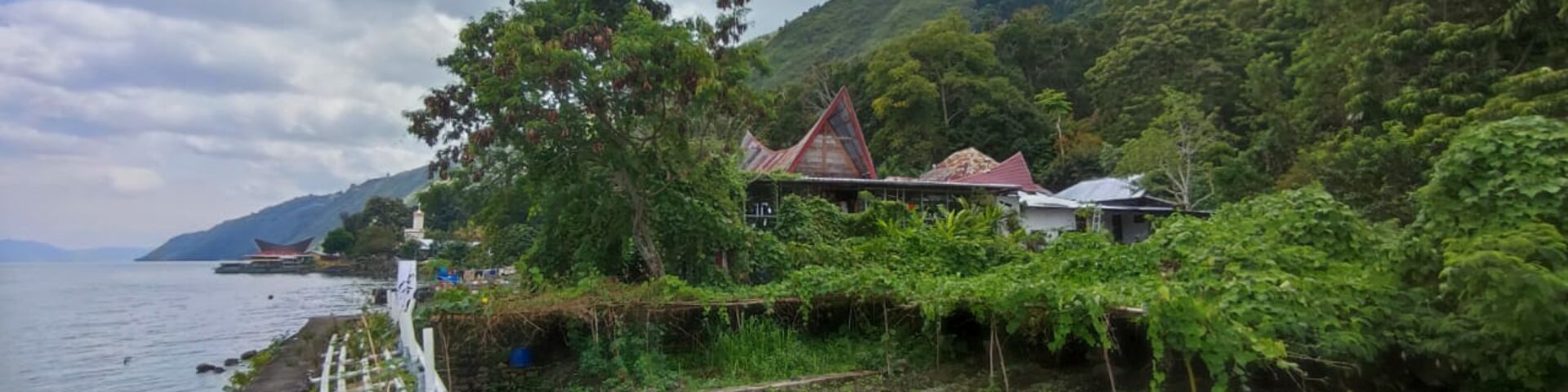
← Botanical Garden Silimalombu
Basic Information: The Longan tree is a thick, corky bark that is usually 9-12 meters, though is able to grow up to 30 meters high. The branches are long, thick, and typically drooping. The leaves are oblong and blunt-tipped and are pinnately compounded and alternate. There are 6-9 pairs of leaflets per leaf and the upper surface is wavy and a dark glossy-green. The Longan tree produces light-yellow inflorescences at the end of the branches. The small flowers have brownish-yellow petals. The fruit hangs in drooping clusters that are circular. The peel is tan, thin, and leathery with tiny hairs. The flesh is translucent, and the seed is large and black with a circular white spot at the base. The fruit is similar to the lychee, but less aromatic in taste. The longan is believed to originate from the mountain range between Myanmar and southern China.
Nutrition, Traditional Use and Research
The statements below describe nutrition facts, traditional use and published research. They are not health claims for our products.
- Longan is a source of vitamin C, which contributes to normal collagen formation for the normal function of the skin and to the protection of cells from oxidative stress.
- Longan contains polyphenols and other antioxidants in laboratory tests. In traditional Chinese practice, longan is considered a nourishing fruit; scientific evidence for health effects is limited.
- Longan is a source of vitamin C, folate, iron and potassium. Vitamin C contributes to normal collagen formation and the protection of cells from oxidative stress. Iron contributes to normal red blood cell formation. Folate contributes to normal amino acid synthesis.
- Longan is low in calories and contains fiber, which contributes to normal bowel function. Fresh and dried longan are traditionally eaten as a snack.
- In Traditional Chinese Medicine, dried longan is used as a nourishing tonic, for example in tea and soups for relaxation and sleep. Scientific evidence for such effects is limited.
- In traditional Vietnamese folk practice, longan seed was used for snake bites. This is a traditional use only and is not recommended; please seek immediate medical help after any snake bite.
Fun Facts:
- The longan is so named because it resembles an eyeball when its fruit is shelled and in Cantonese, the direct translation is “dragon eye”
- This may be ineffective, but is still used today
- Despite its long success in China, the longan is considered to be a relatively new fruit to the world
Sources:
https://en.wikipedia.org/wiki/Longan
https://www.organicfacts.net/longan-fruit.html
http://tonsoffacts.com/25-fun-and-interesting-facts-about-longan/