
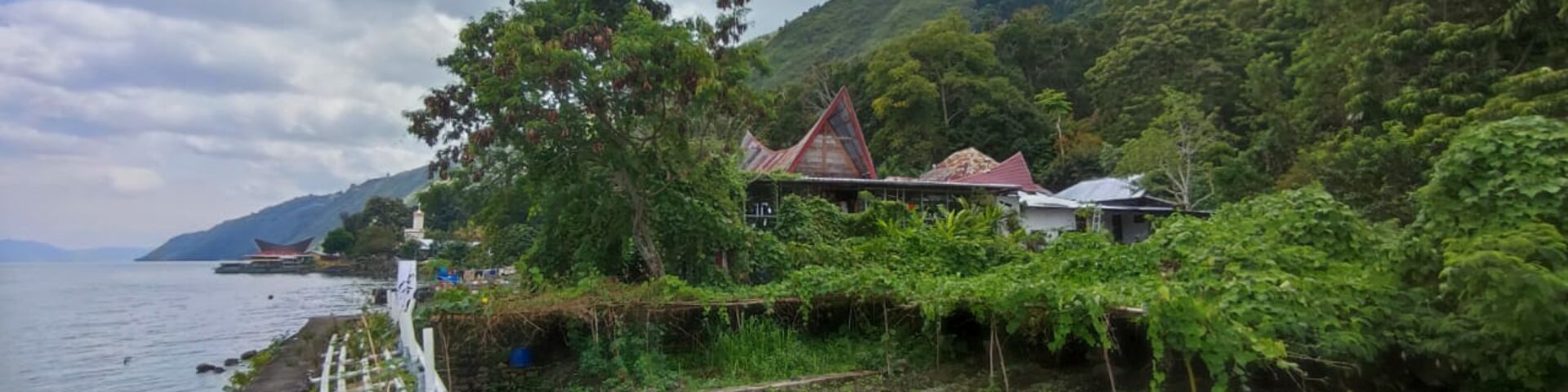
Nine steps to a welcoming Samosir
Read and print: PDF A5 · A4 booklet for printing · All issues
Horas, dear seminar participants!
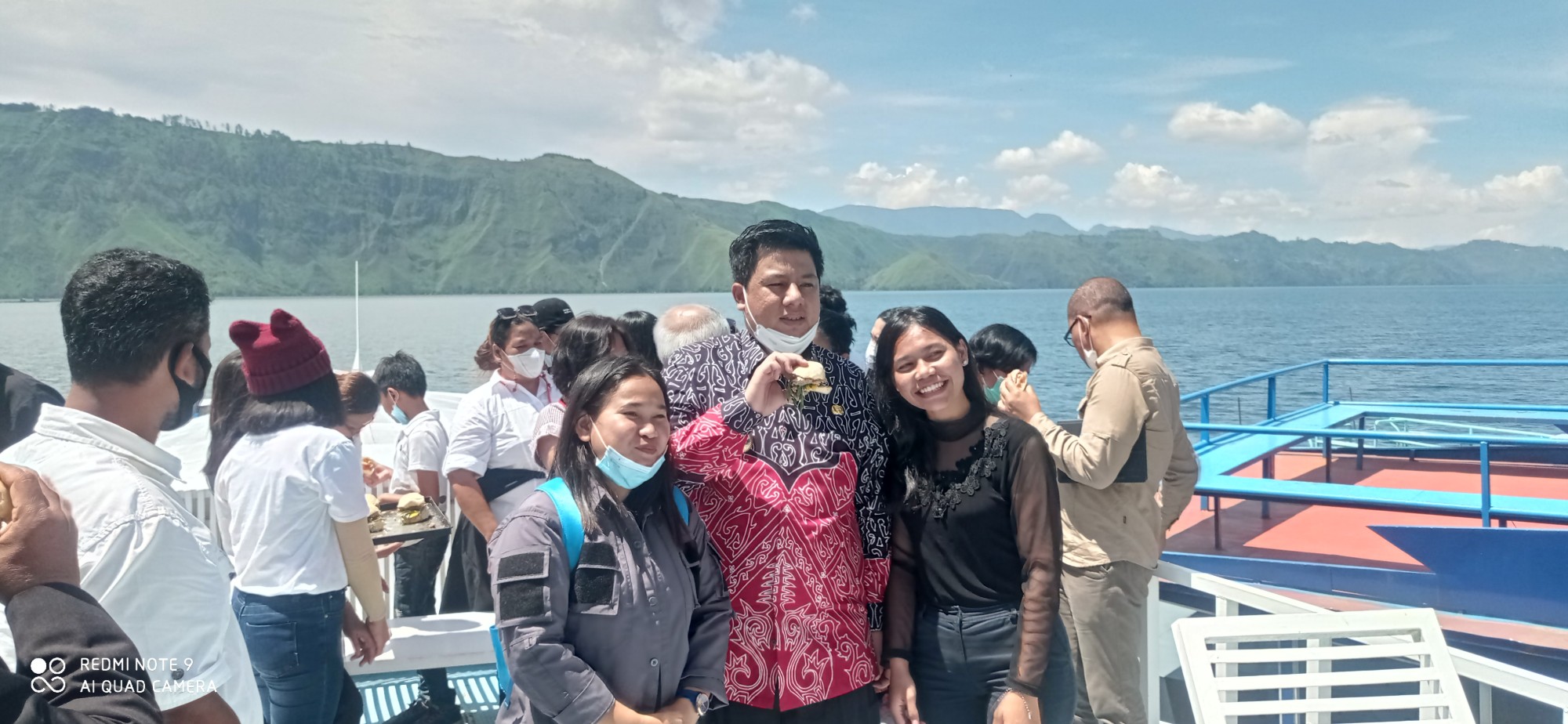
We prepared this edition for the tourism seminar of Kabupaten Samosir on 27 November 2026 at Hotel Labersa. We thank Bapak Bupati Vandiko T. Gultom and the head of the Office of Culture and Tourism, Ibu Tetti Naibaho, for bringing government, business and community together.
The first part contains nine proposals from our daily experience with guests (pages 3–12). The second part tells of a difficult season in the mango garden: smoke, rain every single day – and artificial rain in the middle of the blossom season (pages 13–18).
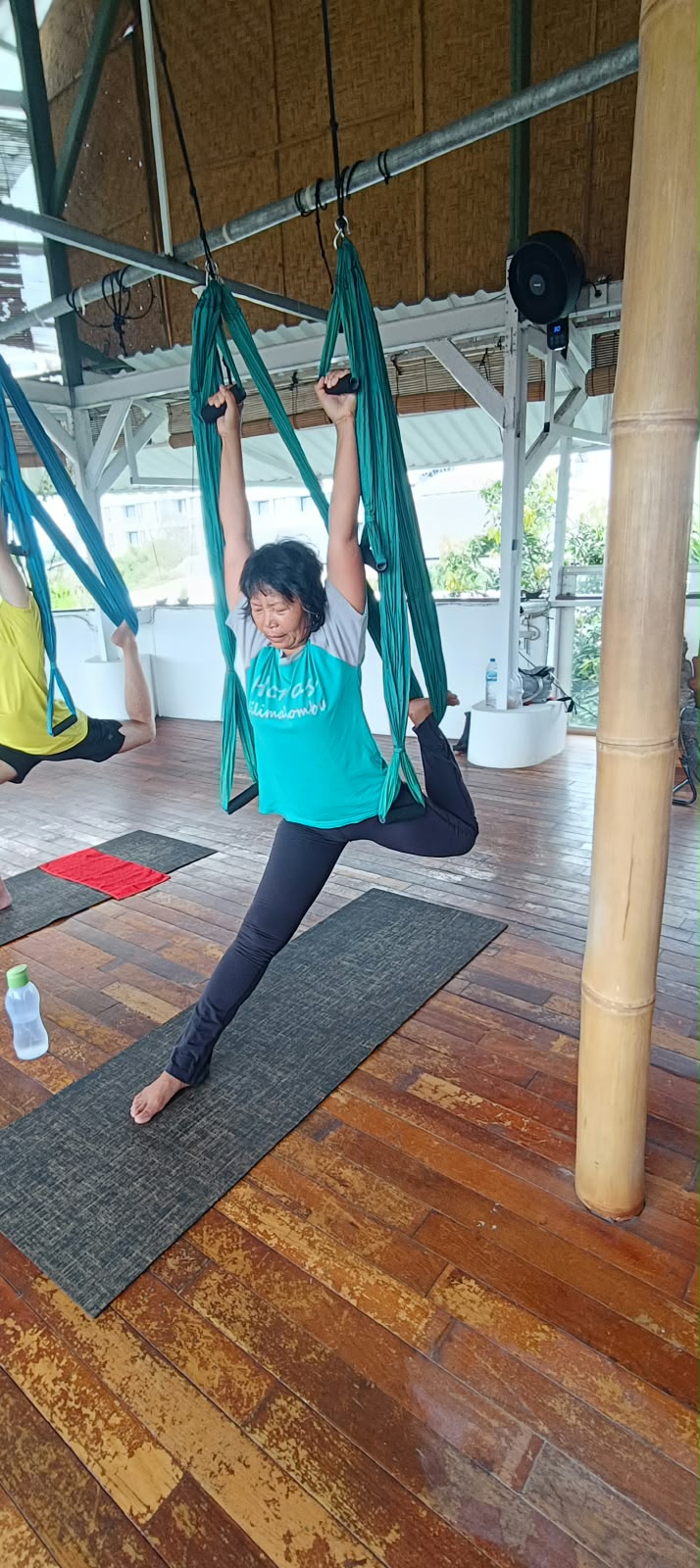
Our chairwoman Ratnauli Gultom has just returned from yoga training in Bali – you never stop learning. Her birthday is on 20 September; the day after, a plane began seeding the clouds over Lake Toba – a present she never asked for.
In this edition
Published by Ecovillage Silimalombu for members and friends of MPIG Mangga Samosir · Responsible: Ratnauli Gultom · Desa Silimalombu, Kec. Onan Runggu, Kab. Samosir 22394 · WhatsApp +62 812 6085 8209
Nine steps to a welcoming Samosir
The seminar aims to work out “concrete steps” for tourism on Samosir. As a small business in Onan Runggu we would like to contribute – with nine proposals from our daily experience with guests.
Reader questions and answers
No questions yet. Be the first – with the WhatsApp button above.
A punctual bus from the airport to the lake
Tourists love Lake Toba. But anyone landing at Kualanamu first asks: when does the bus leave, how long does it take, where do I get off – and can I book a seat now?
A good start has been made: the Sejahtera bus runs daily from Amplas terminal to Ajibata port, and there are minibuses from the airport. What is still missing is a fixed, reliable timetable that guests from abroad can book as well.
Our proposal: a Lake Toba bus line
- Every 2 hours, with a timetable to the minute – Sundays and holidays too.
- Comfortable buses: air conditioning, luggage space, a seat for every passenger.
- Book online, and pay with an international card.
- Bus and boat wait for each other in Ajibata.
For bus companies this is an opportunity: regular passengers all year round – because guests come when they can rely on the timetable.
Scheduled boats along the coast of Samosir
Many tourist villages on Samosir lie on the lakeshore. But the boats between these villages usually only leave when they are full – or when someone charters them.
Our proposal: a scheduled passenger boat every 2 hours from Silimalombu via Lontung, Tomok and Tuktuk to Siallagan in Ambarita – and back. With a fixed timetable, guests can stay in one place and explore others: eat in Tomok, shop in Tuktuk, see the stone chairs of Siallagan. Villagers can use it too, to get to market and to school.
From Silangit straight to the lake
From Silangit Airport to the beach of Meat on Lake Toba it is only about 5 kilometres. This short stretch could become an attraction in itself.
Cable car Silangit – Meat
A mono-cable ropeway, such as the Austrian company Doppelmayr builds, takes guests down to the lake in ±15 minutes – luggage included, without waiting. It can carry up to 5,000 people per hour. We estimate the construction cost at about 6 million US dollars; a cable car lasts for decades.
Solar boat with restaurant
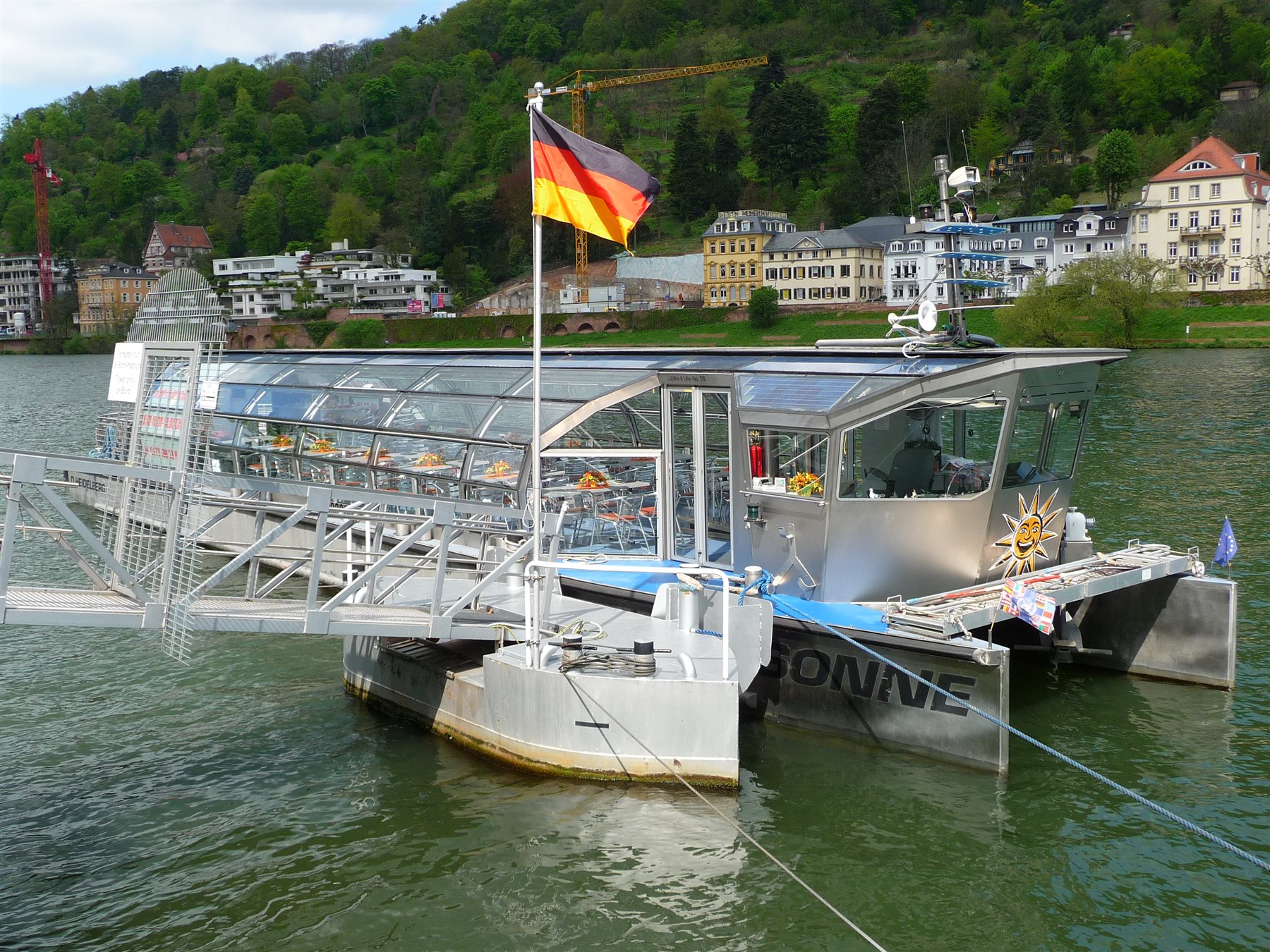
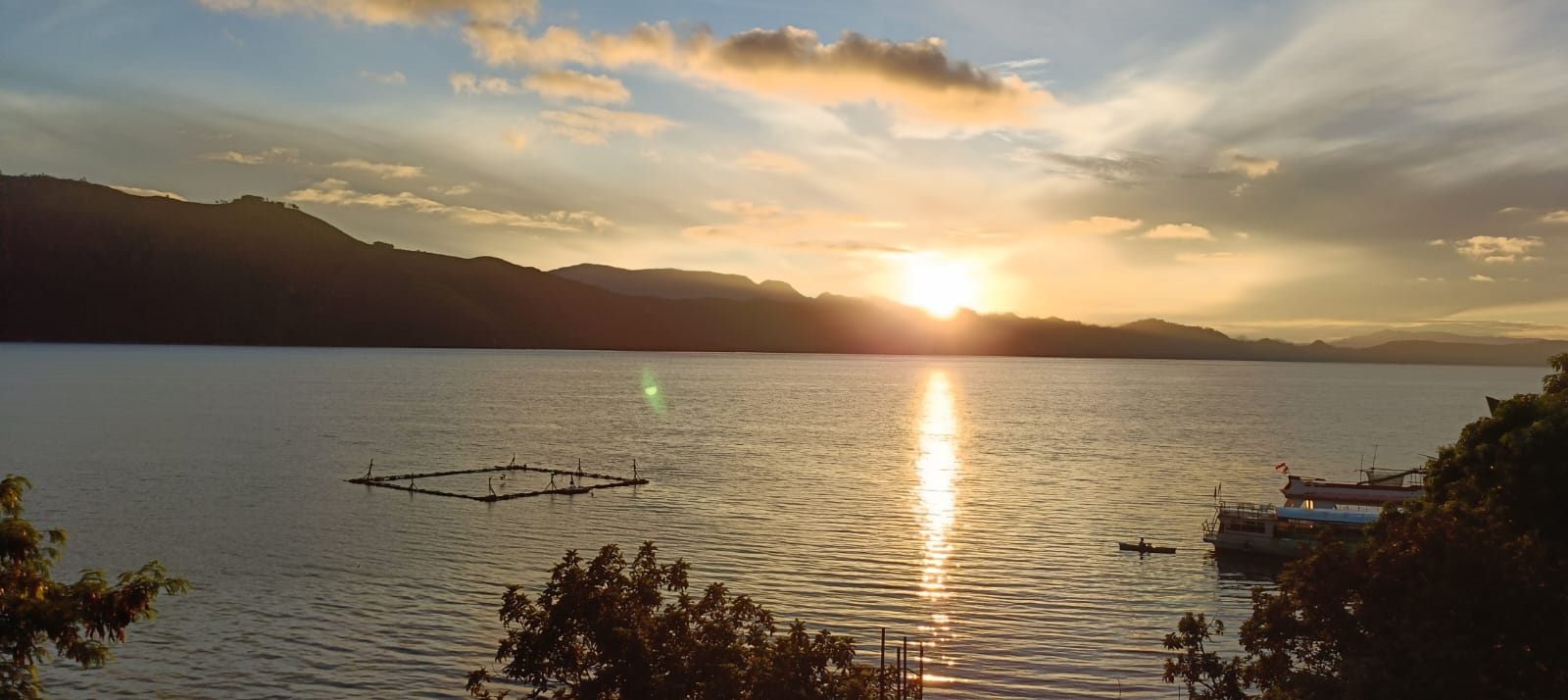
From Meat a large solar boat takes guests to Balige, Samosir and Parapat – quietly, cleanly, with food on board. There is an example in Heidelberg, Germany: the solar catamaran “Neckarsonne” carries about 250 passengers on the river Neckar, silently and without exhaust fumes.
One place: easy to get there, easy to get back
Before they book a hotel, all tourists ask: how do I get there – and how do I get back again?
Today the answers are scattered across many places. Ferry and bus timetables are hard to find, and in our guests’ experience foreign tourists can hardly book ferry tickets online.
Our proposal: a Lake Toba information platform
- All providers in one place: bus, shared taxi, ferry, tour boat, car and motorbike rental – with contact and link.
- Up-to-date timetables, in Indonesian and English.
- Bookable and payable for foreign guests too – with passport and international card.
- Run jointly by the tourism office, transport office, ASDP, transport companies and hotels.
A free tool to start with already exists: Wikitravel, a travel guide that anyone can add to in any language. We have been updating its Lake Toba page since 2018 – every regency, district and village can get its own page.
Our question to you: What is hardest for your guests on the way to Samosir?
💬 Discuss on WhatsApp
Reader questions and answers
No questions yet. Be the first – with the WhatsApp button above.
Don’t burn waste – waste can become a business
Smoke from burning rubbish is the first greeting no tourist wants. You can smell it from far away – in the village, on the beach, along the roads.
Open burning of waste is in fact already banned by the Waste Management Law (UU 18/2008). What is missing now is a simple alternative for every household – and sorted waste really is worth something.
Three business ideas
- Wet waste → compost. Kitchen and garden scraps become compost that is sold to farmers and gardeners.
- Plastic → money. Plastic sorted by type has a price at the dealer. A village waste bank can collect it.
- Residual plastic → fuel. A pyrolysis plant turns mixed plastic into heating oil – a community business for a BUMDes or cooperative.
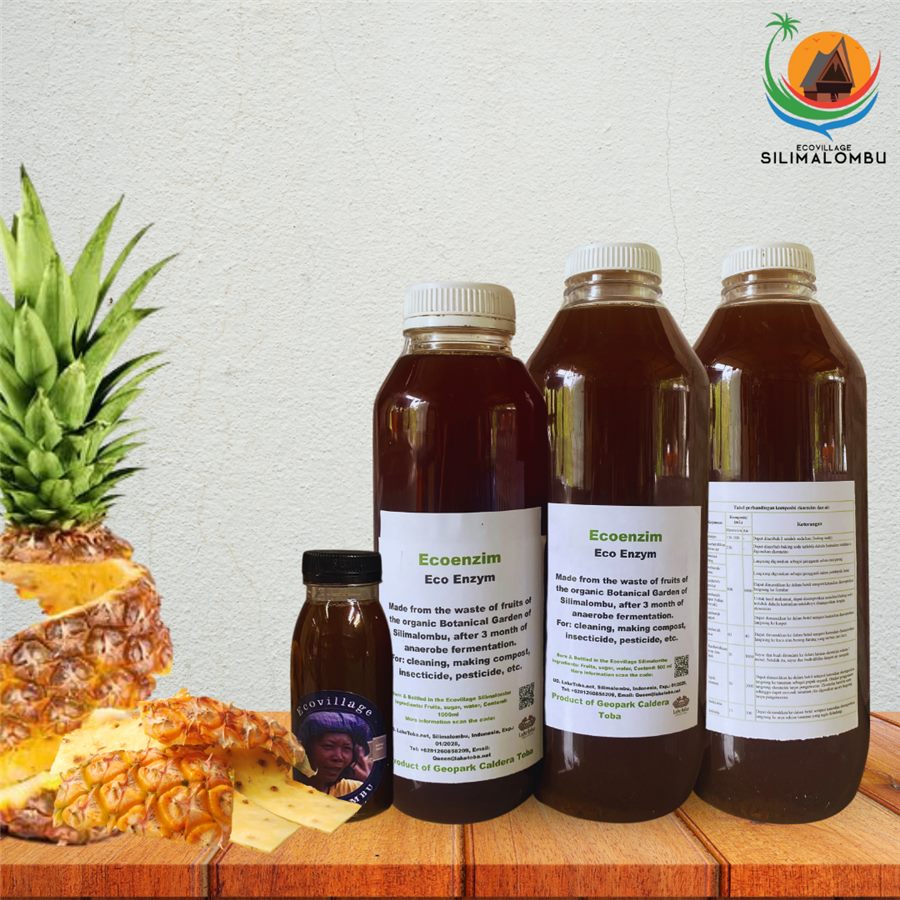

In Silimalombu we separate glass, iron, aluminium, PET and PE, cardboard and batteries, and reuse everything that is still usable.
Well-trained dogs, quiet villages

Tourists want to walk: from the homestay to the lake, from village to village. But on many paths a barking pack greets them – and many no longer dare.
The number of dogs in the villages is growing fast. One family keeps several bitches, then a dozen puppies grow up without training. At night there is a “dog concert” almost every hour – guests and children can hardly sleep.
Tuktuk already has a rule banning free-roaming dogs. For all of Samosir we propose a middle way: dogs remain part of the village. A well-trained dog is the “village police” guarding house and livestock – what matters is that the dog knows who its master is.
Our question to you: How does your village deal with waste and dogs?
💬 Discuss on WhatsApp
Reader questions and answers
No questions yet. Be the first – with the WhatsApp button above.
Clean air and reliable seasons
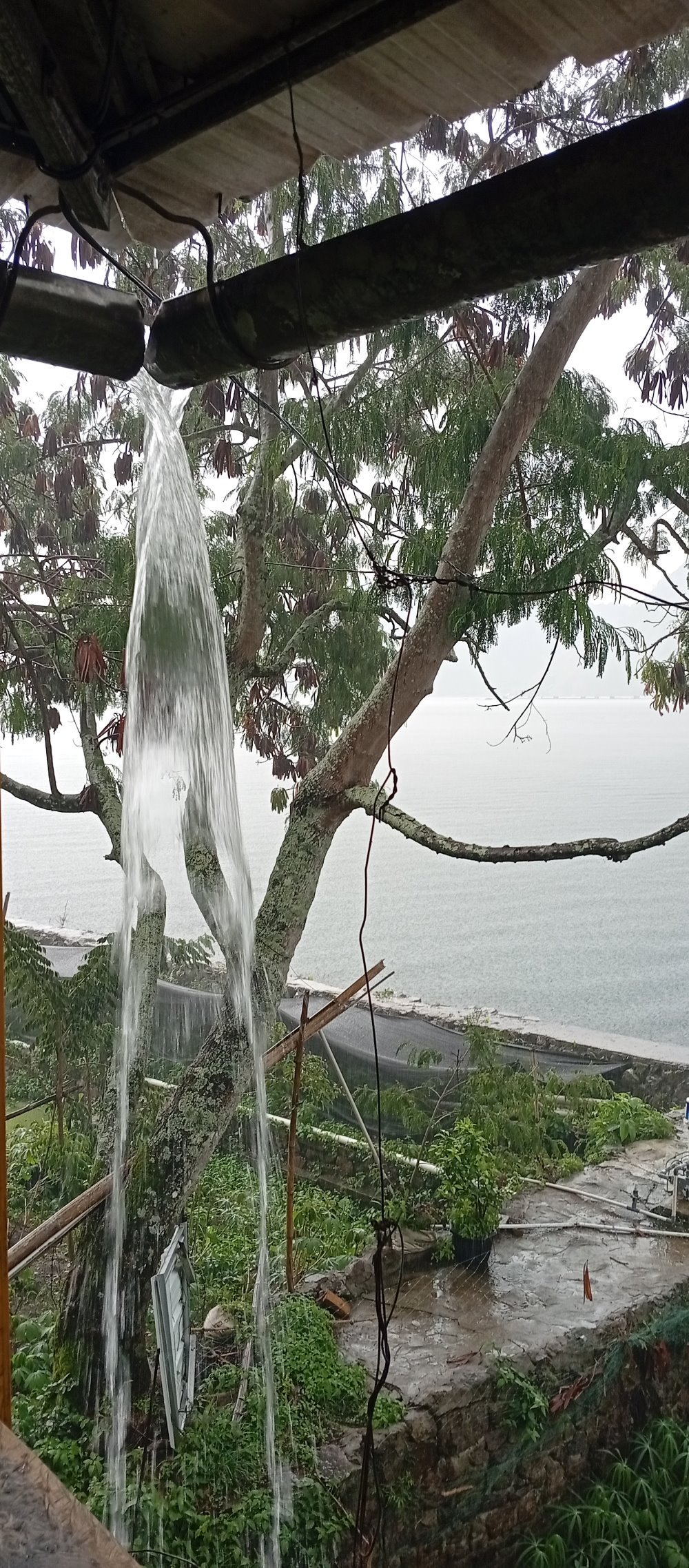
This year two things kept guests away: smoke from forest fires, and rain that almost never stops.
Since early October, smoke from southern Sumatra and Kalimantan has covered Lake Toba – reaching as far as Singapore and Malaysia, where many tourists come from. Since 21 September it has rained in Silimalombu every day. At the same time the clouds over Lake Toba were seeded to raise the lake level (pages 16–18). In Silimalombu room bookings fell by about 90 %.
Advertising, festivals and new hotels are of little use when the air is not breathable and the weather unpredictable. Clean air is the most basic capital of tourism.
Our proposals
- Burn nothing – not land, not fields, not rubbish; our own small fires add to the smoke too.
- Artificial rain only after consultation with farmers and tourism, announced in advance – and not during the blossom season or the holidays.
- Publish air and weather data every day – for guests and for ourselves.
Our question to you: What has your business lost this year?
💬 Discuss on WhatsApp
Reader questions and answers
No questions yet. Be the first – with the WhatsApp button above.
Tuak and fruit wine: protected, safe, valuable
Tuak (palm wine) is part of Batak Toba identity – in the lapo, at adat ceremonies, in the village and far from home. Yet today lapos and makers of traditional drinks operate in a legal grey zone.
That is why we drafted a Regent’s Regulation on traditional fermented and/or distilled drinks from Samosir and handed it to Bapak Bupati. With this Perbup, Samosir could become the first regency to regulate its own traditional drinks.
Free registration instead of a new licence, basic training of 1–2 days in the village, a 6-month transition period. No alcohol for minors and no sales online.
From Whisky Trail to Tuak Trail Tomok – Silimalombu
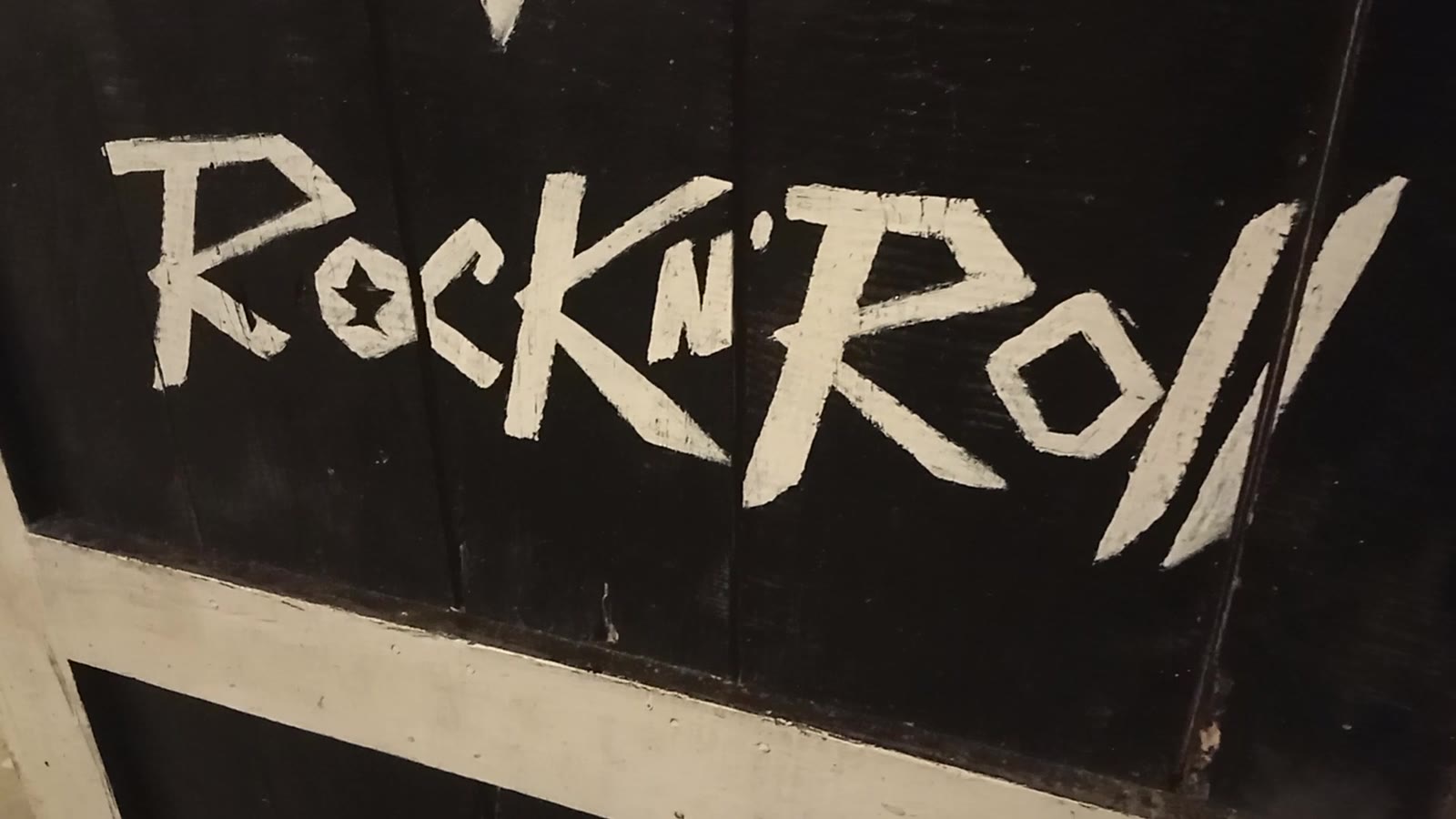
Scotland has the Malt Whisky Trail: tourists travel from distillery to distillery, taste, learn and stay in the villages around.
Samosir has the ingredients for something similar: tuak, a drink with history and stories. The idea: Tuak Trail Tomok – Silimalombu. Tourists stop at clean, friendly lapos, taste fresh tuak, hear the stories of the palm tappers – and at the end of the trail, wine and brandy from Mangga Samosir. The scheduled boat (page 5) brings them safely back.
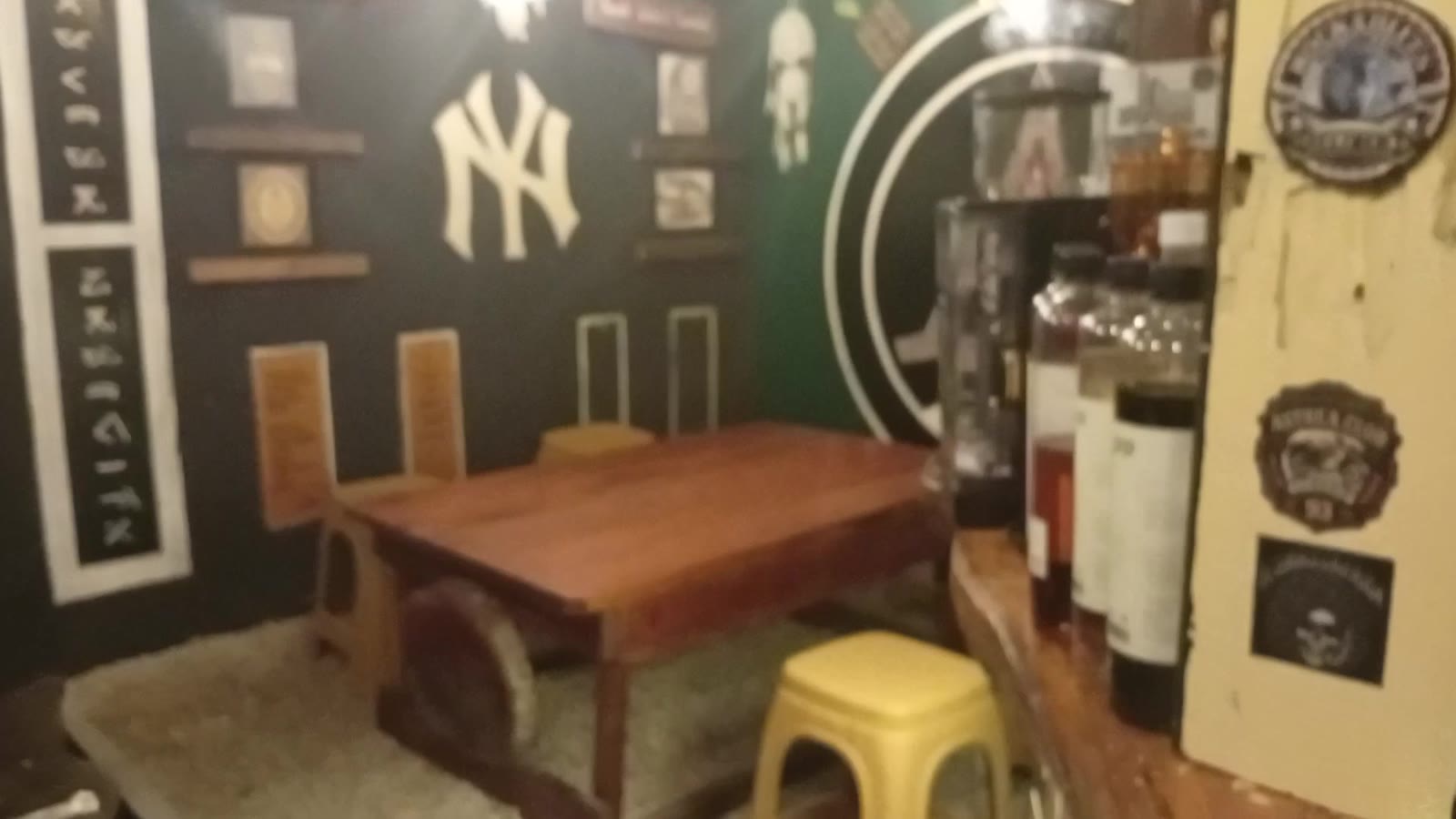
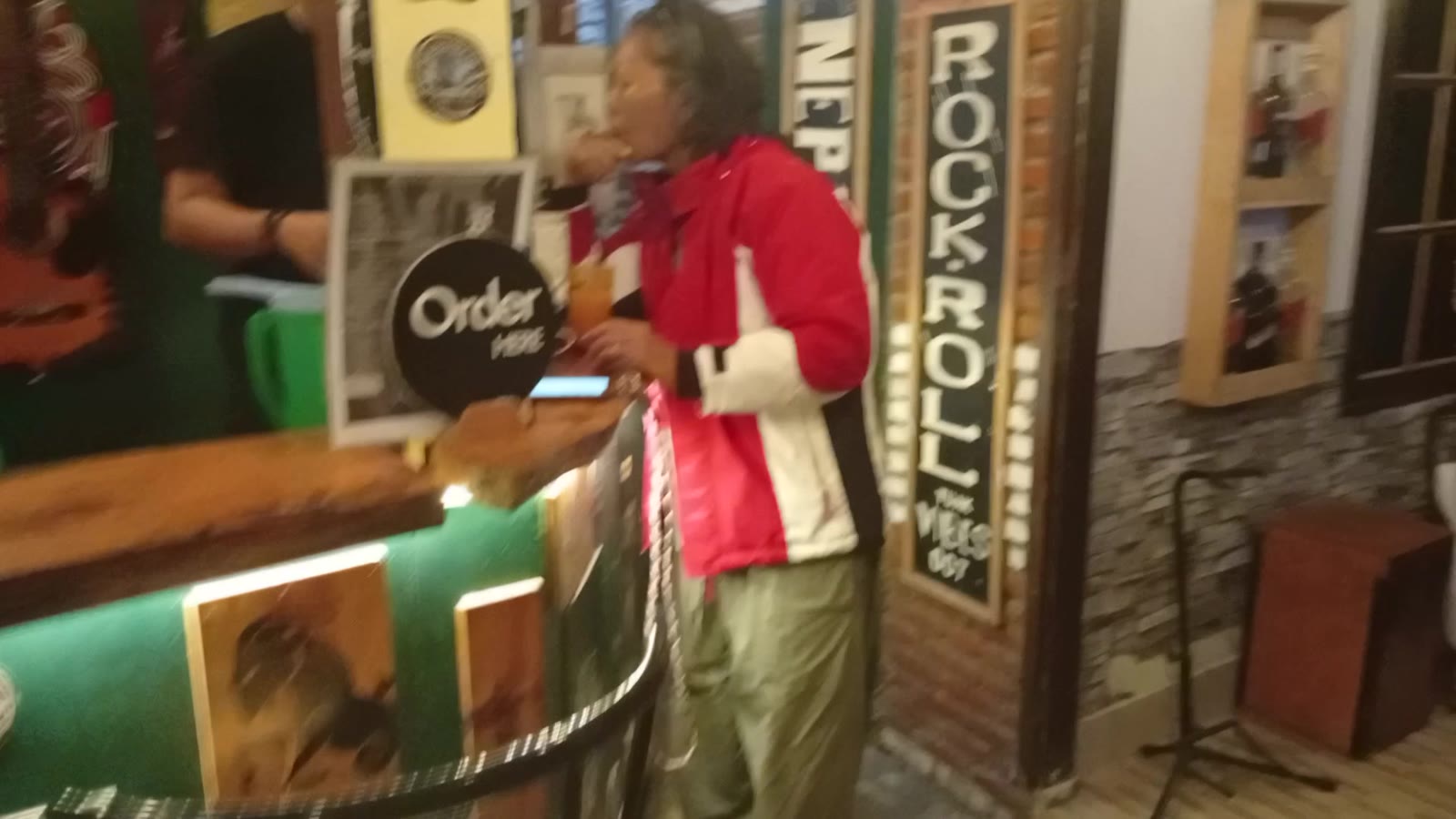
Our question to you: What does the Tuak Trail need so that tourists stop?
💬 Discuss on WhatsApp
Reader questions and answers
No questions yet. Be the first – with the WhatsApp button above.
Full blossom, grey sky
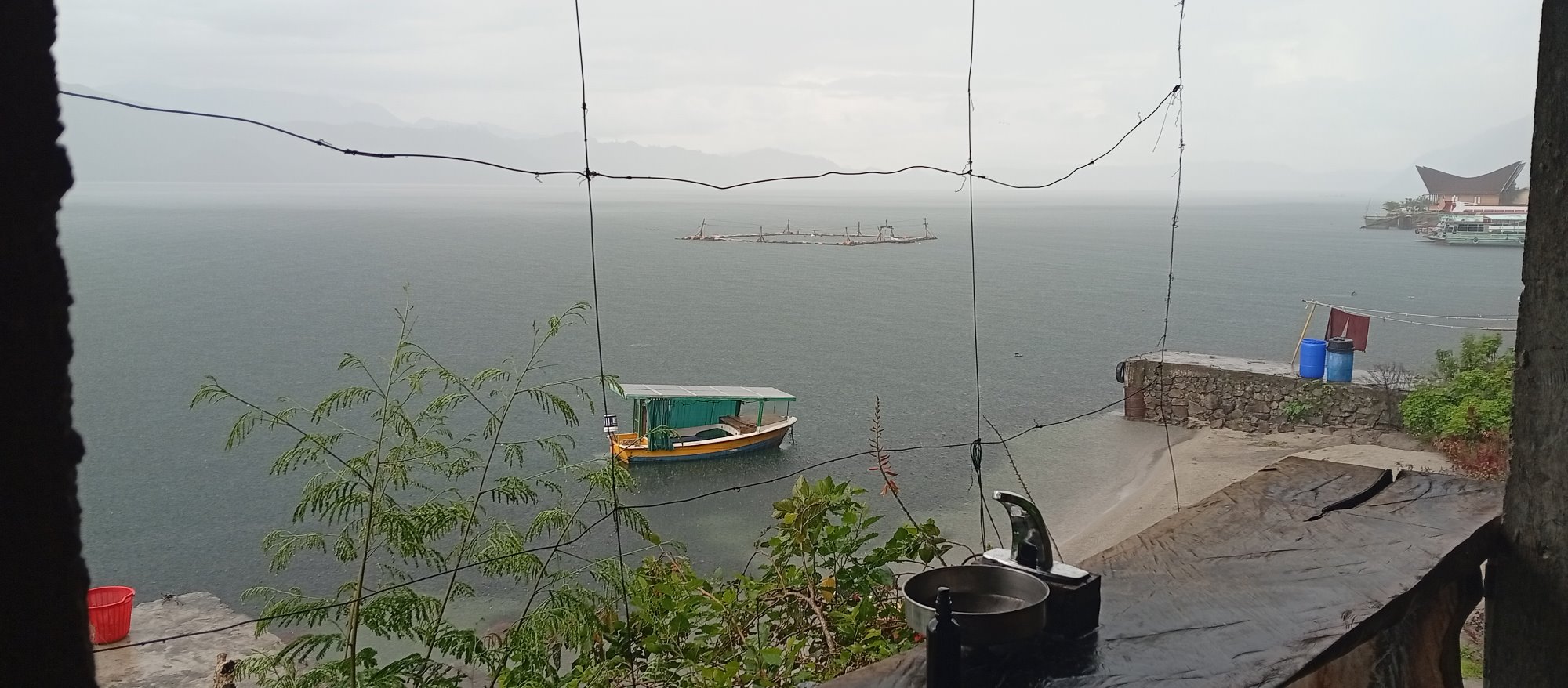
It has been a long time since the Mangga Samosir trees blossomed as richly as this year. But since early October the sun has hardly been seen – and the rain almost never stops.
Since about 7 October, smoke from forest and land fires has hung over Lake Toba. According to BMKG the wind carries it from southern Sumatra; other reports also name Kalimantan. No fire hotspots were found in North Sumatra itself. At times visibility on the lake was only ±500 metres and the ferries were disrupted. The same smoke also lay over Singapore and Malaysia. At the end of October the air was clear for a few days – in early November the smoke returned.
Then the rain: from 1 October to 4 November, Silimalombu received ±340 mm – about one third more than usual (ten-year average ±260 mm). Since 16 October there has also been weather modification ordered by the governor – and even before that, from 21 September to 15 October, the clouds over Lake Toba were seeded to raise the lake level (page 16).
tingkiron ma tu julu.
The smoke at Lake Toba can only be fought where it starts: on the land that is being burned.
How dark is our sky?
Smoke and dust density of the air (aerosol optical depth), average 8 am – 4 pm, over Silimalombu. About 0.2 = normal sky; above 2 = the sun is only a pale disc. Source: Copernicus satellite model (CAMS) via Open-Meteo.
Dark sky – small fruit?
Mangoes grow from the sugar that leaves make with the help of sunlight. Less light means less sugar. In oil palm plantations in Jambi, the 2015 smoke reduced sunlight by about a third – and a few months later the harvest fell by up to half. Studies on mangoes show: when the tree lacks “power” from its leaves, the fruits become lighter.
In Silimalombu our bees hardly left the hive. In damp, dull weather mango pollen swells and is released poorly, and constantly wet blossoms are easily attacked by fungi (anthracnose). We fear that the harvest in January–February 2027 will be smaller and the fruits smaller than this blossom promised. Only the harvest will tell – and we will weigh it together with you.
Our question to you: How are blossom and bees doing in your garden this year?
💬 Discuss on WhatsApp
Many blossoms, few fruits
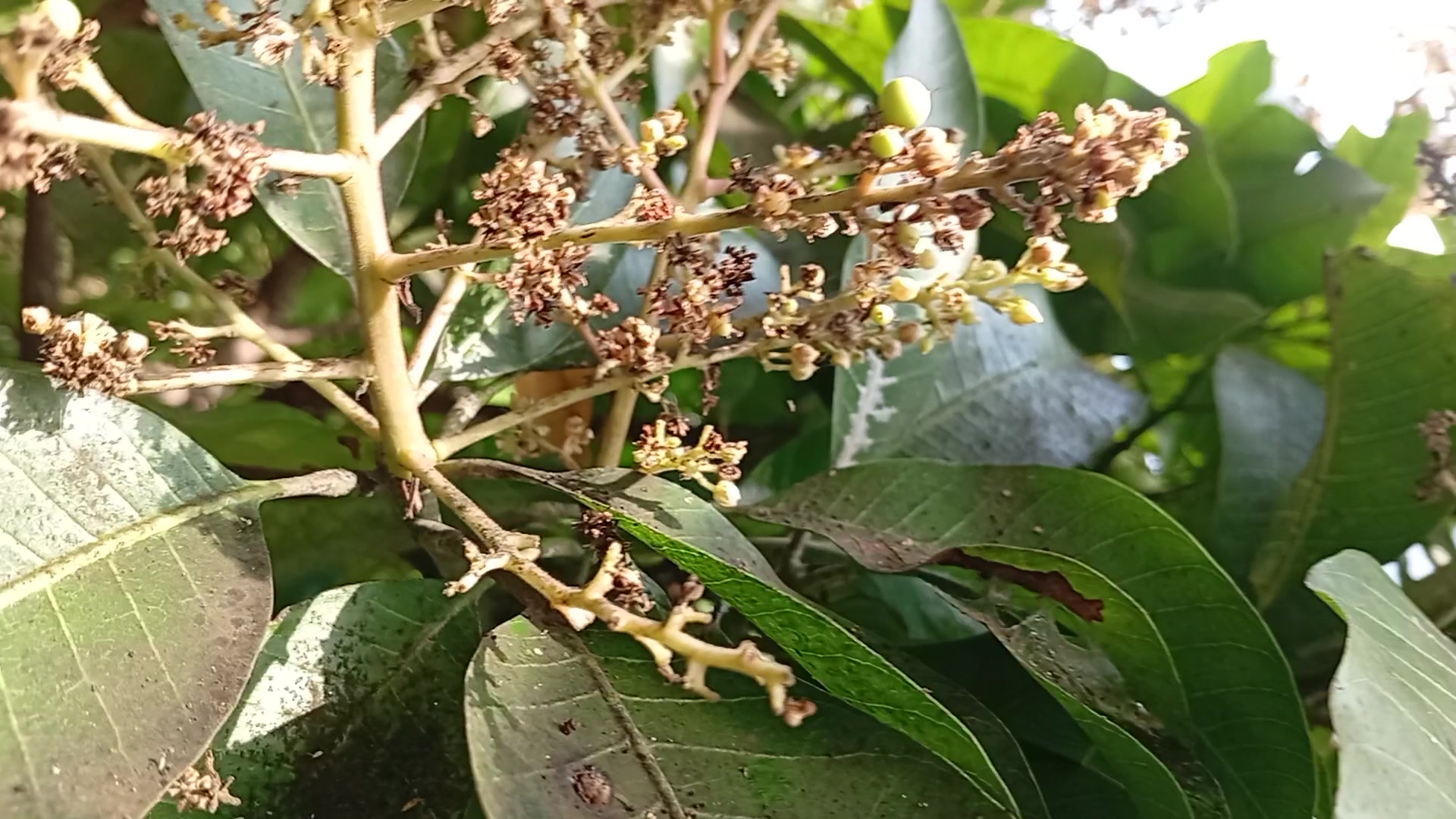
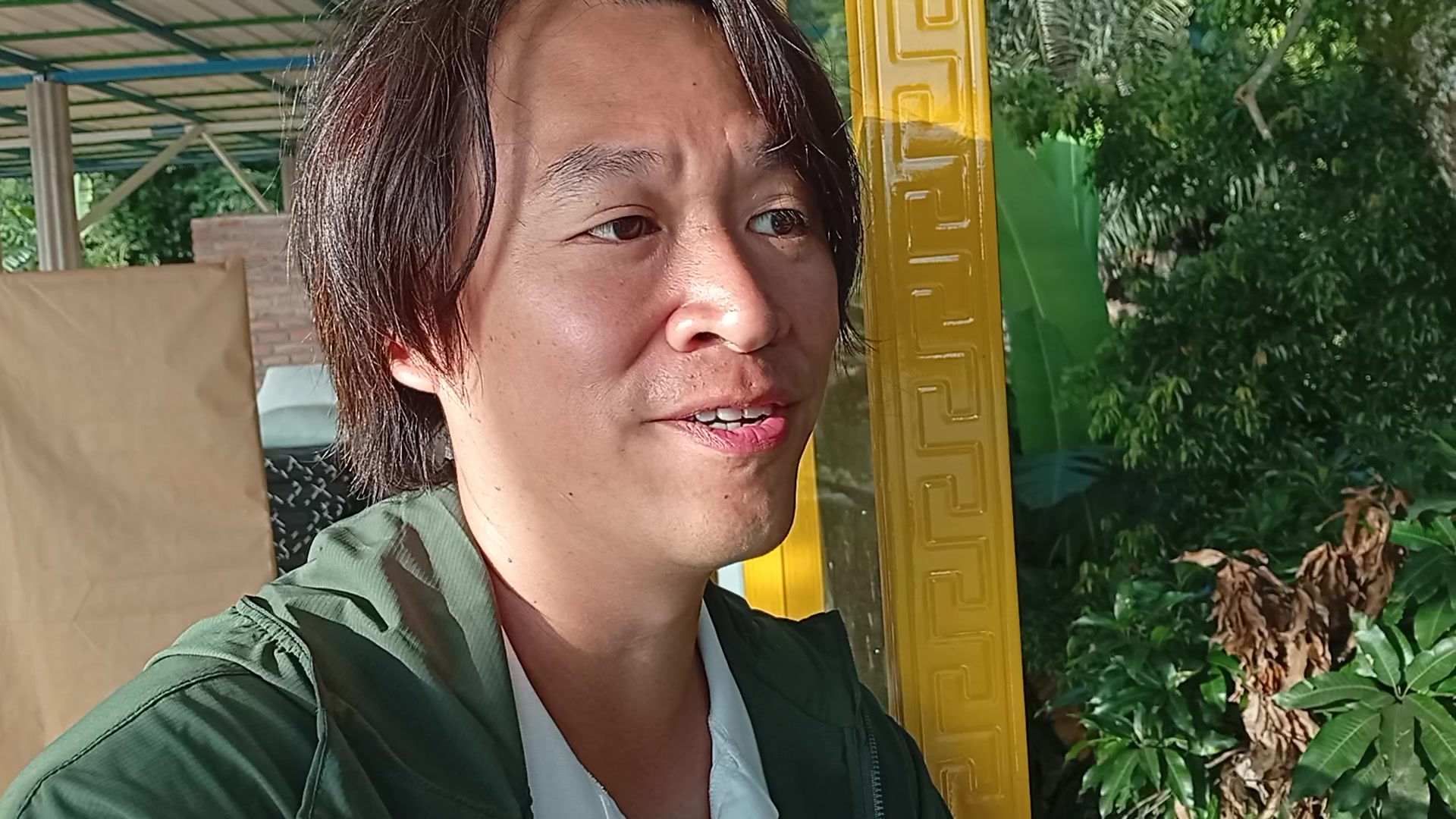
Michael, a permaculture student from Hong Kong, came to Silimalombu to get to know our forest – above all the mangoes, but also coffee and cocoa. In Hong Kong he grows coffee himself.
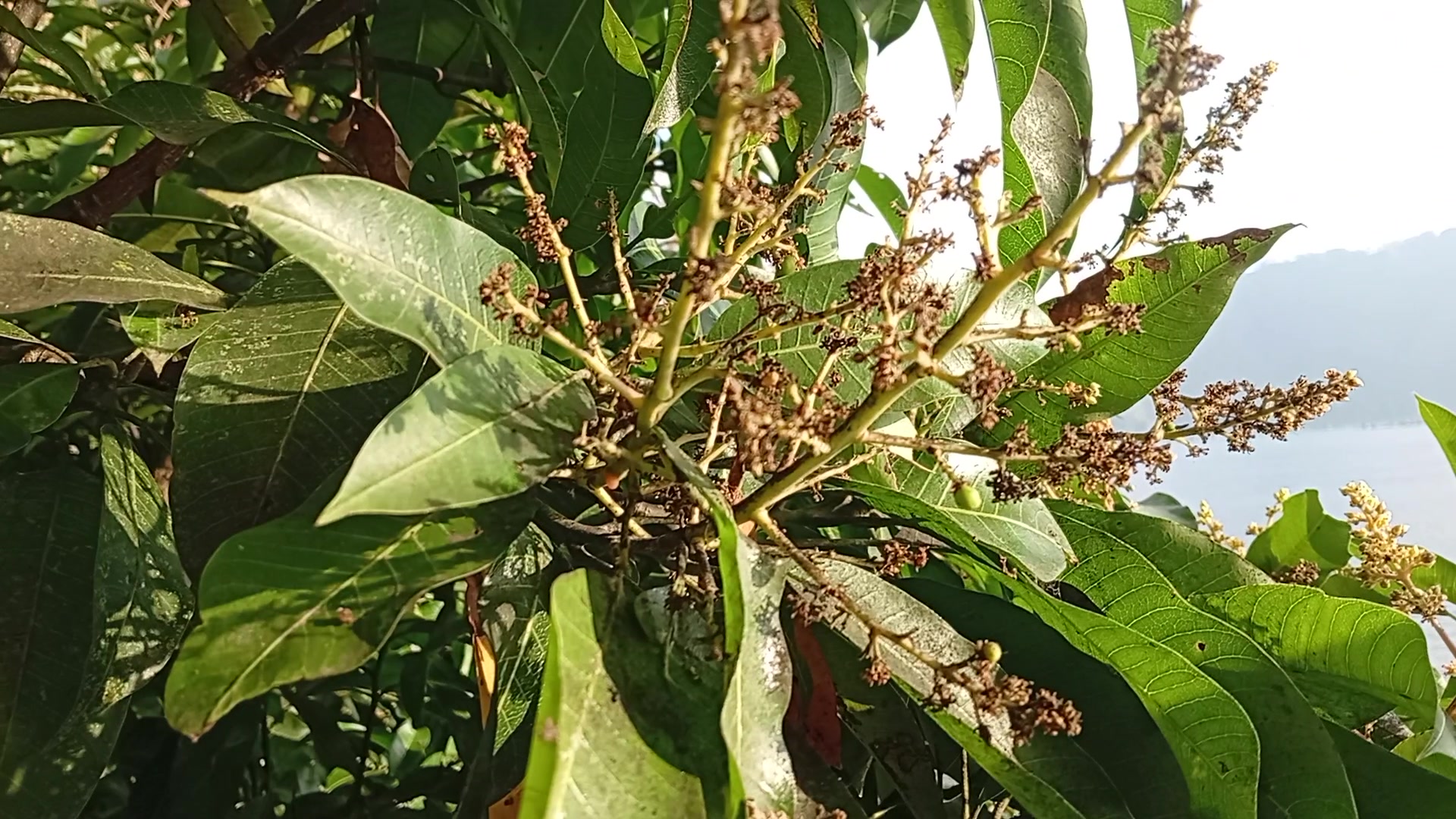
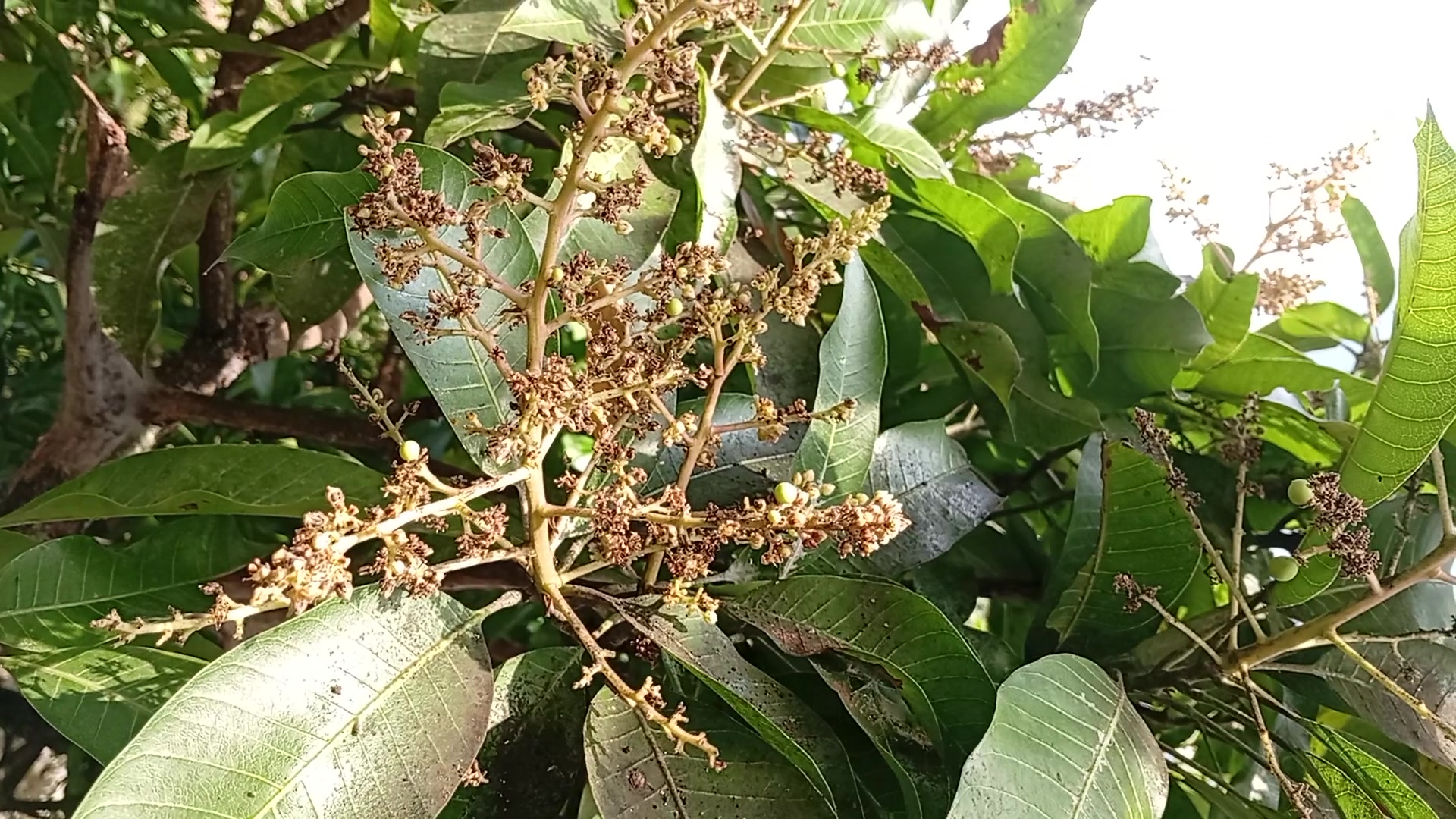
On his first walks through the forest he saw so many mango trees and asked: how are the mangoes growing this year, with the changed climate? On 8 November 2026 we showed him our trees.
What we saw was sad: the trees blossomed very richly, but because of the rain only very few fruits have set. The existing fruits are still very small, and many blossoms are rotting. Without sun the bees don’t fly, and the rain washes the pollen out of the flowers. We suspect it looks the same all around Lake Toba.
Reader questions and answers
No questions yet. Be the first – with the WhatsApp button above.
Artificial rain in the blossom season – for whom?
On 21 September 2026, as the Mangga Samosir trees began to blossom, a small plane took off from Silangit Airport – to seed the clouds over Lake Toba so that more rain would fall.
This weather modification (OMC) was carried out by BMKG, Perum Jasa Tirta I and PT Inalum, the state-owned aluminium company, for 25 days until 15 October 2026. The aim according to BMKG: to raise the level of Lake Toba. On the first day alone, BMKG says, the water level rose by 15 millimetres.
It was not the first time this year. The same operation ran from 9 April to 3 May 2026 – by 29 April, 33 seeding flights had been counted. The result according to BMKG’s own evaluation: rainfall in the Lake Toba catchment increased, “especially in the east and south-east, including Samosir Island”.
The timing could not be worse
September to November is the blossom season of the Mangga Samosir, when the flowers need sun, dry air and flying bees. The cloud seeding took place right in this period – and official announcements say not a word about the fruit farmers.
9 Apr – 3 May: first cloud seeding · Sep: Inalum only 430 of 603 MW · 21 Sep: second cloud seeding begins, mango trees in blossom · from ±7 Oct: smoke from forest fires · 15 Oct: operation ends – daily rain continues · Nov: blossoms dried up, hardly any fruit.
Rain every single day
Daily rainfall in Silimalombu, 21 September – 22 November 2026. Dashed line: ten-year average 2016–2025. Source: ERA5 weather data (Copernicus) via Open-Meteo.
Since the cloud seeding began there has not been a single day without rain in Silimalombu. And even after 15 October the rain did not stop.
To be honest: nobody can say for sure how much of this rain came from cloud seeding – BMKG itself gives no figure. This year’s weather is also influenced by El Niño, the Indian Ocean and the smoke. BMKG states that OMC does not cause disasters. But one thing is certain: in the middle of the blossom season, more rain was made on purpose – and according to BMKG itself, on Samosir Island too.
Who owns the lake?
The water of Lake Toba flows out through only one river: the Asahan. There PT Inalum runs two hydropower plants with 603 megawatts for the aluminium smelter in Kuala Tanjung. “This is our fuel,” said Nando Purba from Inalum’s operations to journalists in October 2025. In September 2026 Inalum could generate only 430 megawatts – the way out: artificial rain. The head of BMKG said in April 2026: “OMC will certainly be carried out more and more often to secure the inflow for the dam.”
1,907 mango farmers – not one was asked
Mangoes are not just roadside fruit. According to regency data, Kabupaten Samosir has 9,263 mango trees, 1,907 mango farmers and 392 mango traders.
| District (Kecamatan) | Mango trees | Farmers | Traders |
|---|---|---|---|
| Sianjur Mulamula | 1,167 | 401 | 5 |
| Harian | 2,024 | 442 | 17 |
| Sitiotio | 120 | 19 | – |
| Onan Runggu | 190 | 52 | 5 |
| Nainggolan | 225 | 65 | 5 |
| Palipi | 1,275 | 156 | 7 |
| Pangururan | 1,865 | 575 | 121 |
| Simanindo | 2,397 | 197 | 232 |
| Kabupaten Samosir | 9,263 | 1,907 | 392 |
In the middle of the blossom season of exactly these trees, more rain was made on purpose. As far as we know, not one of the 1,907 farmers and 392 traders was asked, informed or heard. No announcement in the village, no meeting, no damage assessment. Only megawatts were counted.
For us this is no longer a question of weather but of justice. If the lake’s water is used to power a factory, then the people who live from the lake and their gardens have a right to be asked beforehand – and to compensation if their harvest is lost.
Our question to you: Were you ever asked or informed before artificial rain?
💬 Discuss on WhatsApp
Reader questions and answers
No questions yet. Be the first – with the WhatsApp button above.
Miranda Gultom: “I learn by doing”
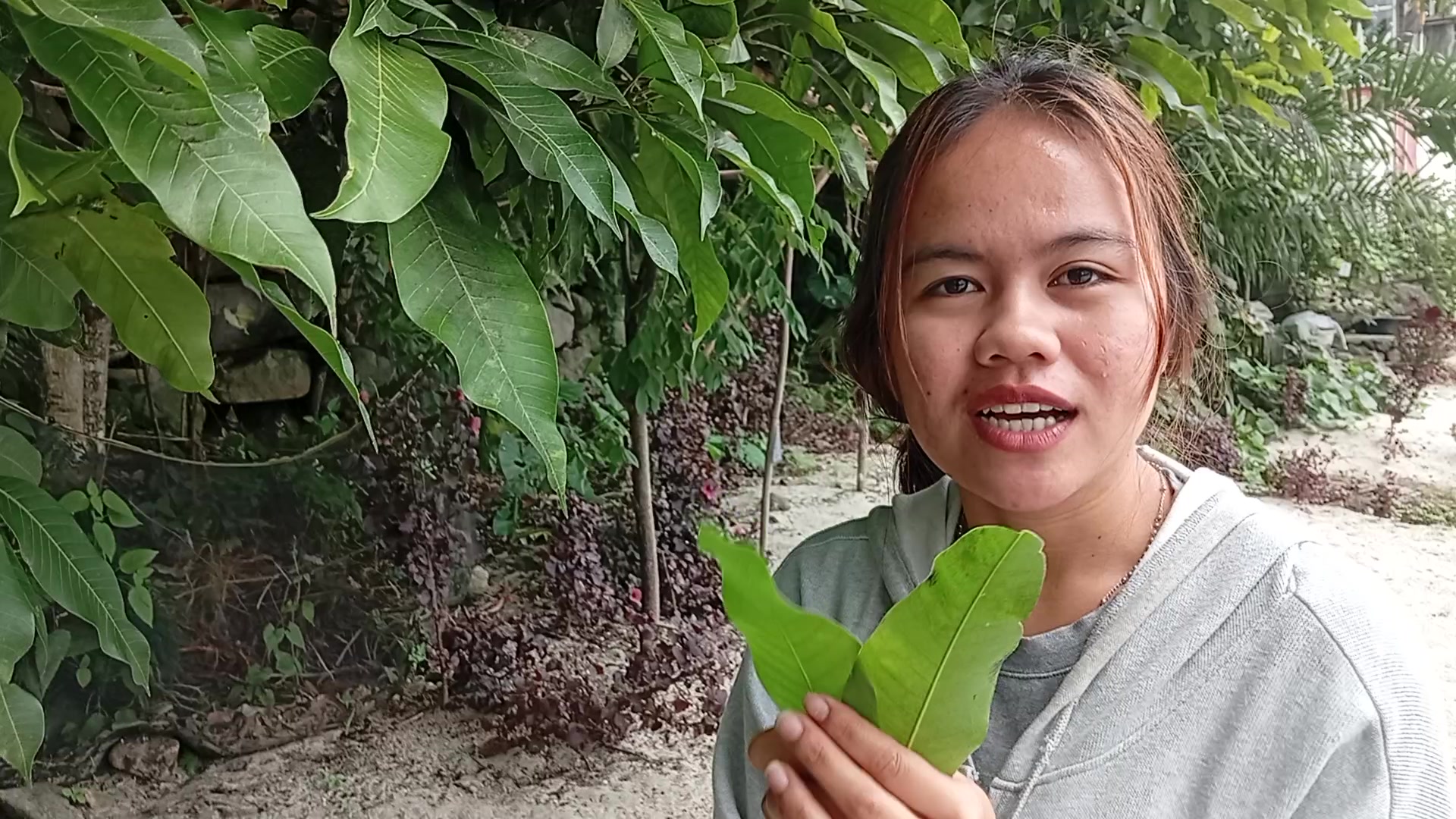
“I’m only 20 this year.” Miranda Gultom has been working in Silimalombu for more than a year. She is part of our extended family and lives just 500 metres from the garden.
Miranda works in production and serves guests. “I’m also learning to make tea – all the teas come from our own gardens. I’m also learning to make jam and sambal.”
One of the products she makes is mango leaf tea – on pages 21–22 Miranda shows how it is done.
Why mangoes?
“Because here we have mango trees that are hundreds of years old – the one we can call Opung Ni Mangga. In every mango high season we harvest tons of mangoes here.” Many products are made from the fruit, but also from the leaves.
Learning all kinds of things
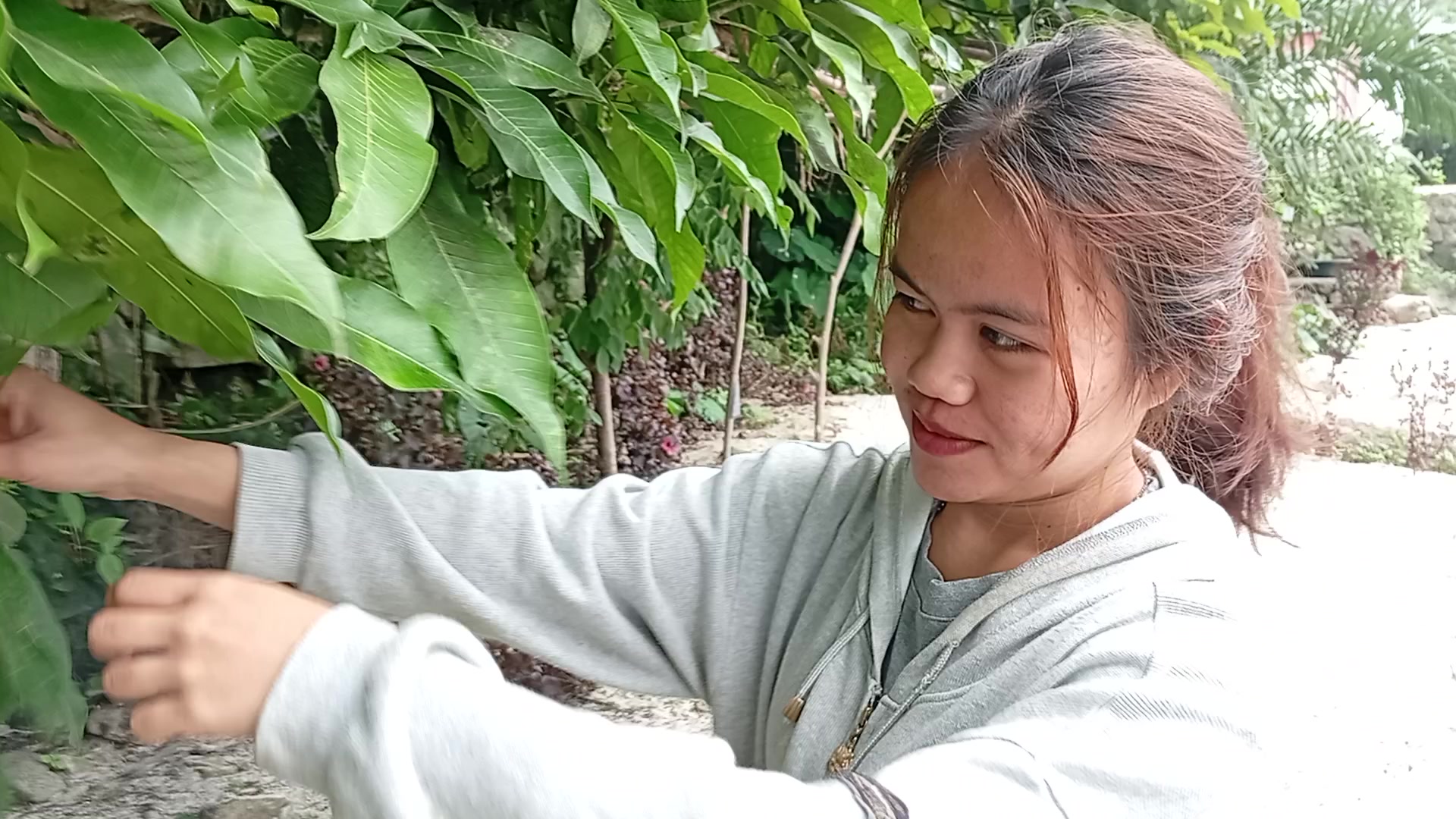
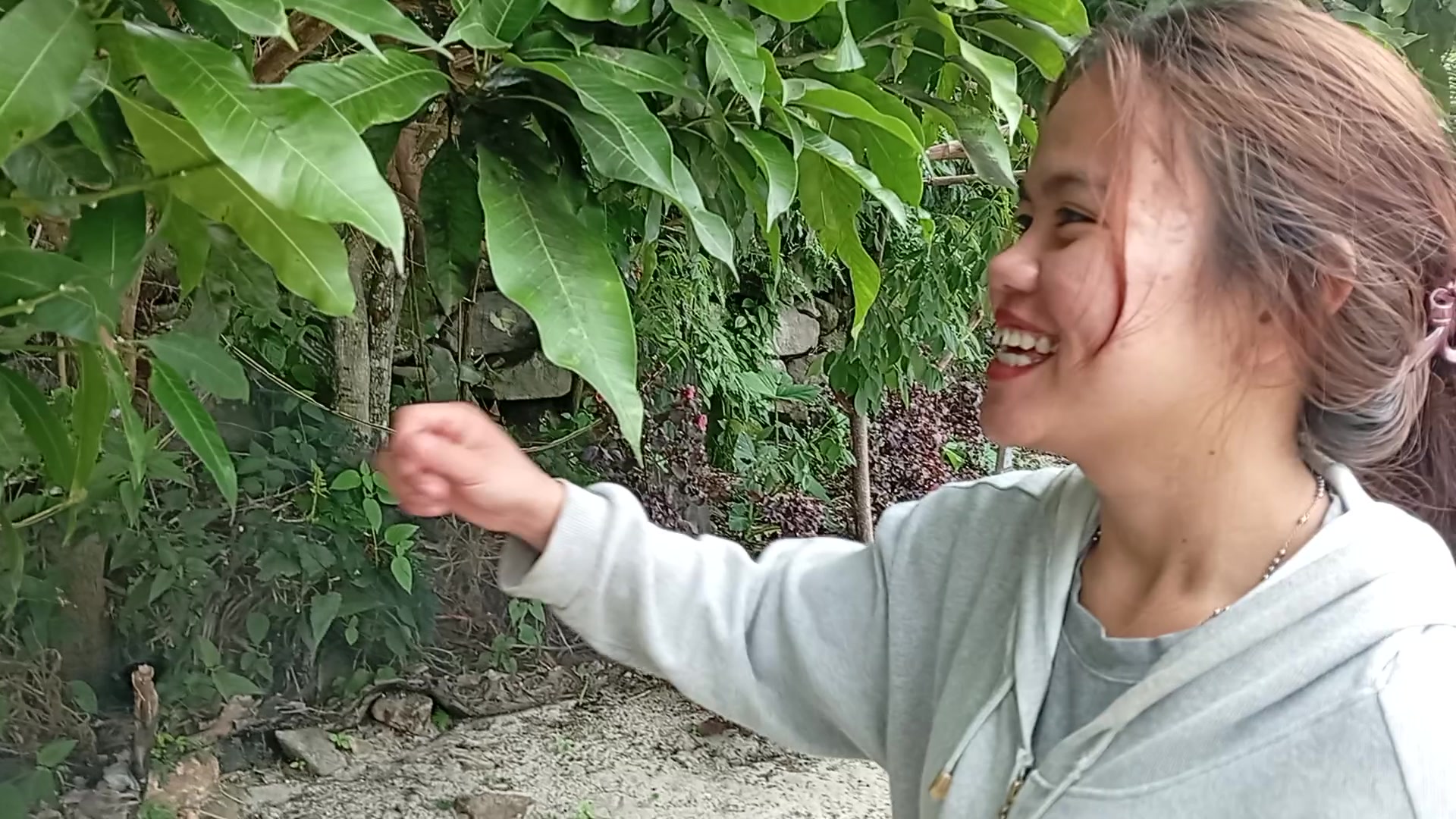
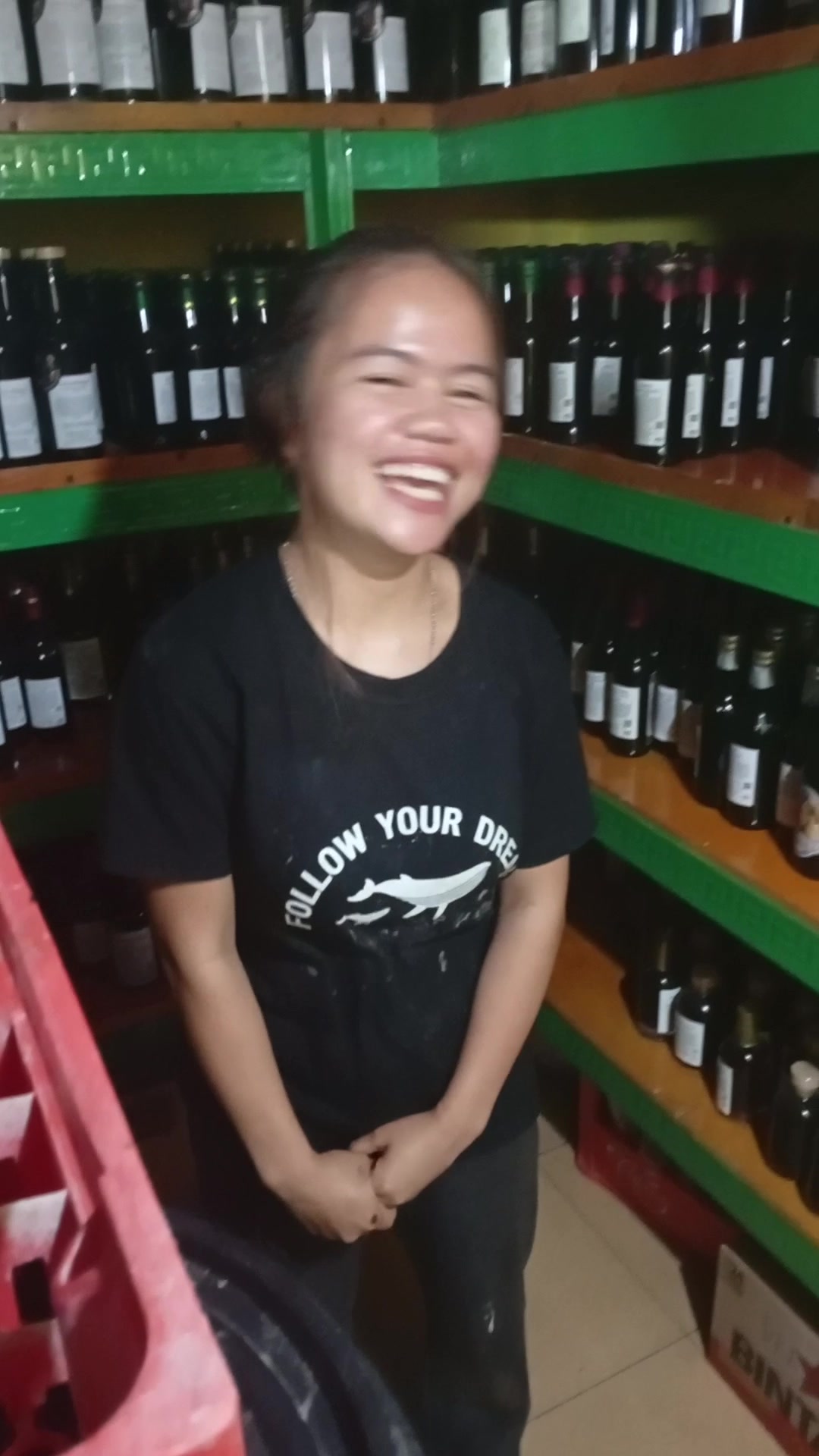
“Here I even learned to cook: healthy food for guests, no MSG. Everything we cook comes purely from our own gardens.” The chickens are home-raised, the fish and lobster come from the lake.
And English? “Before, I couldn’t speak English well. I’m learning it here. I learn by doing.”
Our question to you: What have you learned simply by doing it? Would you like to learn like Miranda? Jobs at laketoba.net/lowongan.
💬 Discuss on WhatsApp
Reader questions and answers
No questions yet. Be the first – with the WhatsApp button above.
Mango leaf tea from Silimalombu
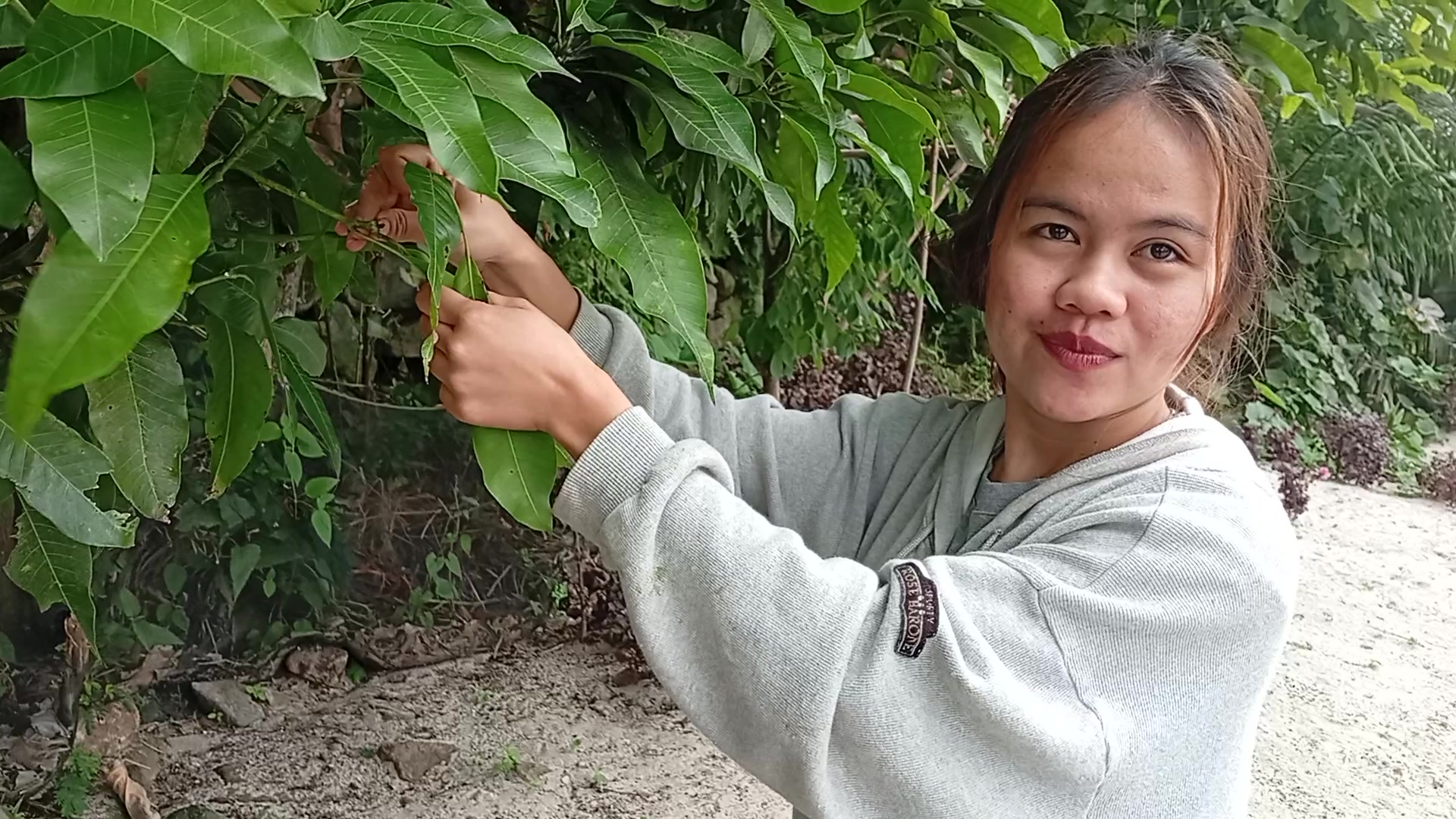
“Right now I’m picking mango leaves for tea. We are making this mango leaf tea into a product.”
Mango fruits are only around for a few weeks a year – the leaves all year round, even in a season with little fruit like this one. In India mango leaves are boiled as a traditional drink; in West Java young leaves are eaten raw as a side dish (lalapan). In Silimalombu Miranda Gultom dries the leaves of the Mangga Samosir into tea: mild in taste, a little like green tea, without caffeine.
Mango leaves contain mangiferin, an antioxidant that is being widely researched – but most studies are still laboratory studies. Miranda also mentions effects that people often talk about, for example on blood sugar and digestion.
Step by step – as Miranda explains it
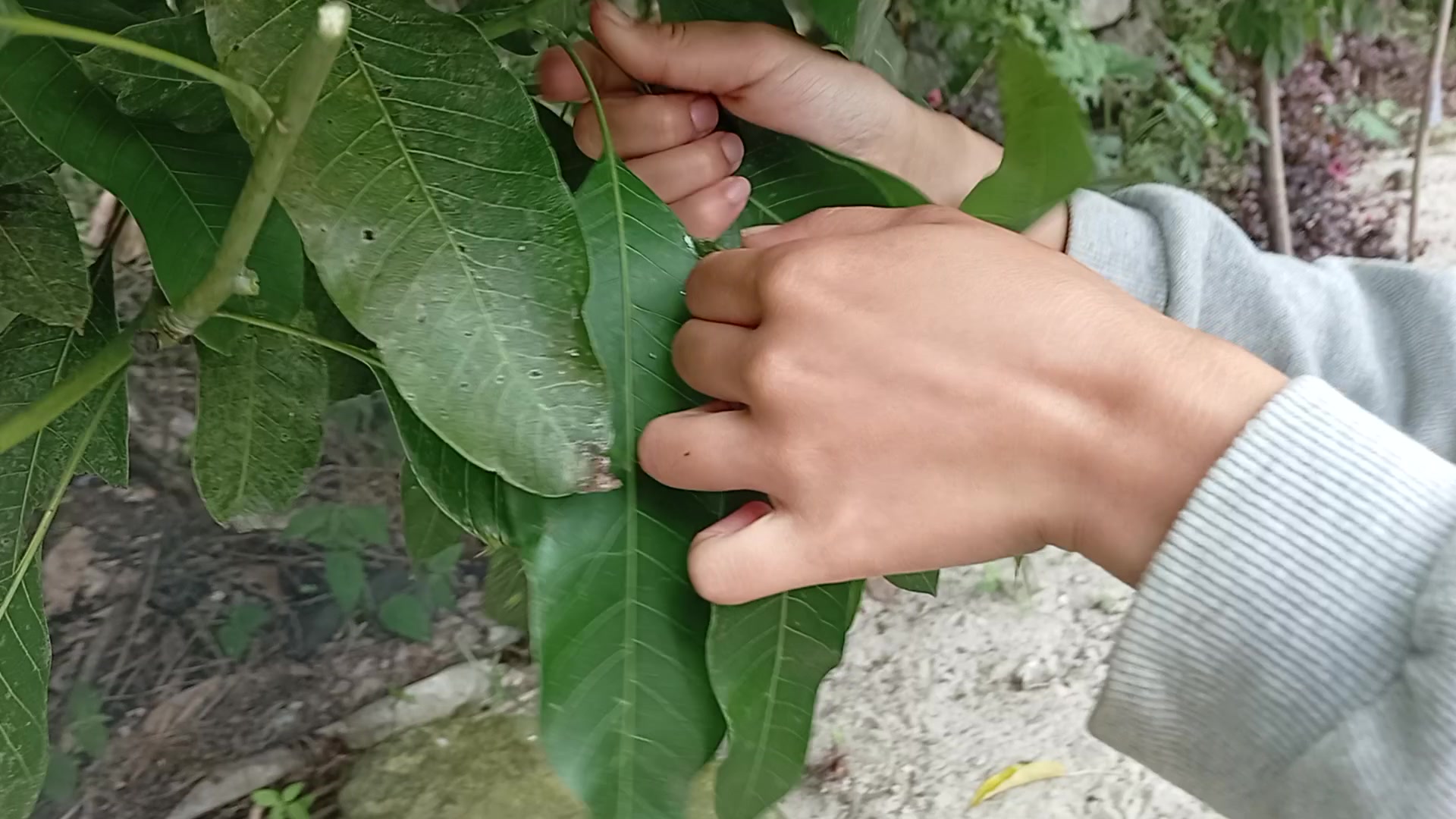
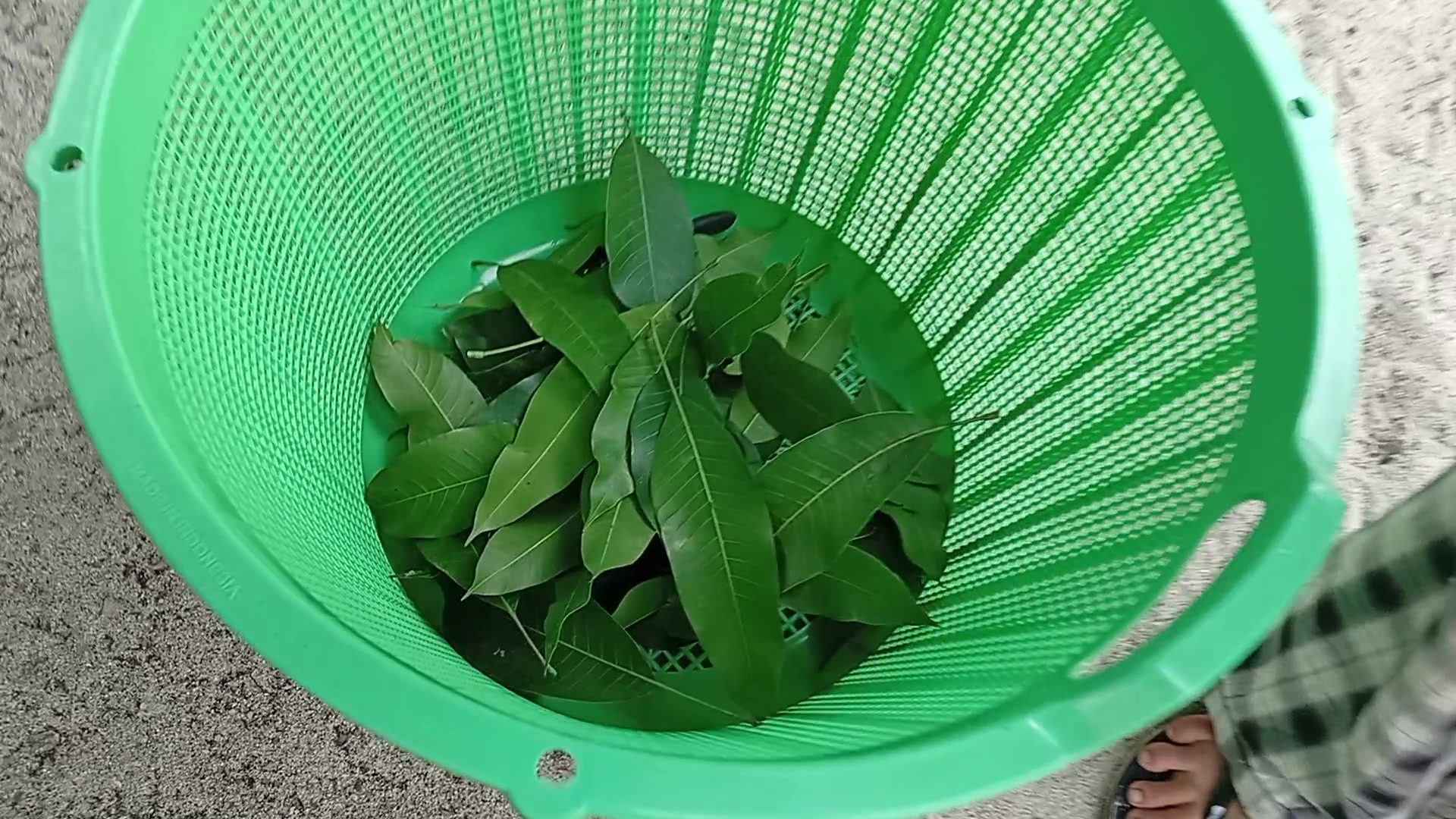
- Picking: “So, first we pick the mango leaves.”
- Washing: “Usually we wash them with spring water or rainwater.”
- In the sun: “We put them in the sun for an hour.”
- Drying in the shade: “Then we take them to a place without sun and dry them there for a week.”
- Before packing: “We put them in the sun once more for about five minutes, and only then do they go into our product.”
Our question to you: Has your family ever used mango leaves – as a remedy, side dish or drink?
💬 Discuss on WhatsApp
Reader questions and answers
No questions yet. Be the first – with the WhatsApp button above.
Good ideas grow when they are shared
Mangga Samosir News wants to be a place for ideas for Samosir and Indonesia – and new ideas become reality when many people think along, ask, disagree and add.
How to join the discussion
- Scan the QR code in the “Join in!” box at the end of each article. WhatsApp opens with the topic code, e.g. #MTN03-AKSES.
- Write your question, idea or experience – very short, with a photo if you like.
- The editors reply and publish question and answer on laketoba.net under the article. Good questions are also printed in the next edition.
The full text online
All articles of this edition can be read (in Indonesian) at laketoba.net/mangga-samosir-news – with a WhatsApp button for each chapter and all questions and answers so far. This English edition can be downloaded there as a PDF. Please share the link with family, friends and business partners.
💬 Discuss on WhatsApp
Reader questions and answers
No questions yet. Be the first – with the WhatsApp button above.