
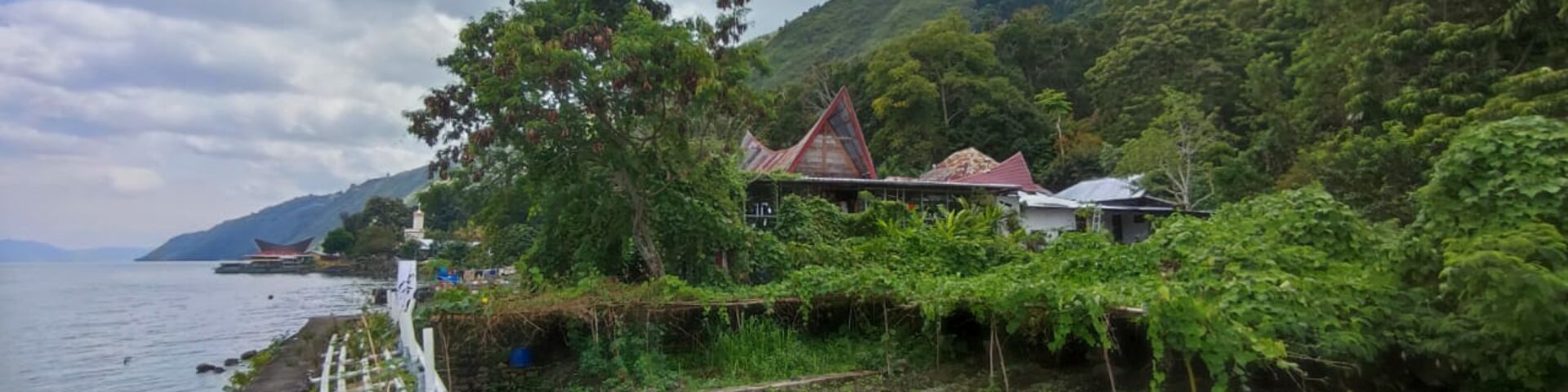
← Botanical Garden Silimalombu
Basic Information:
Sapindus rarak is a species of soapberry. It is a deciduous tree up to 42 metres (138 ft) tall native to south and east Asia (from India and Sri Lanka in the west to south China and Taiwan in the north and to Indonesia in the south). Its species name is derived from the Malaysian name rerak or rerek.[1][2] In Indonesia it is commonly known as lerak or klerek.
Sapindus rarak trees can reach height of 42 metres (138 ft) and a diameter of 1 metre (3 ft 3 in).[2] Its compound leaves are large, up to 50 centimetres (20 in) long.
Uses and Traditional Use
- Lerak (soapberry, Sapindus rarak) fruits contain saponins, which produce foam like soap. The fruits are traditionally used as a natural detergent for washing batik, dishes, kitchen utensils and floors, and in ancient times people used lerak as bath soap, face soap and pet soap.
- Because of their saponin content, lerak extracts have also been studied in agriculture as a natural insecticide against pests such as the cabbage caterpillar Crocidolomia pavonana and the armyworm Spodoptera litura.
- In traditional folk practice, the fruit skin is used for skin complaints such as pimples and scabies. This is a traditional use only and has not been confirmed by sufficient scientific evidence.
- Lerak fruits are not food. Please keep the foam and the fruit away from the eyes, and do not eat them.
Sources:
https://id.wikipedia.org/wiki/Lerak
Fun Facts:
in ancient times people used lerak as bath soap and face soap as well as a detergent or pet soap substitute
How to Plant a Sapindus Rarak De Condole Tree?
Farming
Spacing for lerak plants is 6 x 6 m, 8 x 8 m or 10 x 10 m. Seed comes from seeds, and can be moved to the field at the age of 3 months with a height of 30-40 cm by opening the plant from polybags and put in a planting hole with a size of 40 x 40 x 40 cm. Manure is given as much as 5 kg / planting hole. How to maintain lerak plants does not require special handling. Weeding and piling up until the plants are 2 years old. Fruit harvest Lerak plants begin to bear fruit at the age of 5-10 years, fruiting season every year, namely at the beginning of the rainy season in November-January. Fruit shape of round marbles, measuring 2 cm in diameter, thin skin with smooth surface, short stems. Ripe fruits are marked in dark green to brown. Fruit harvesting is done by cutting the stems of ripe fruit with bamboo poles that are given a knife or allowed to fall. The fruit that has been picked is dried by drying it so that the seed coat is wrinkled.http://lerakindonesia.com/info/7/lerak-sapindus-rarak–tanaman-industri-pengganti-sabun
What you Can Use All From The Tree?