
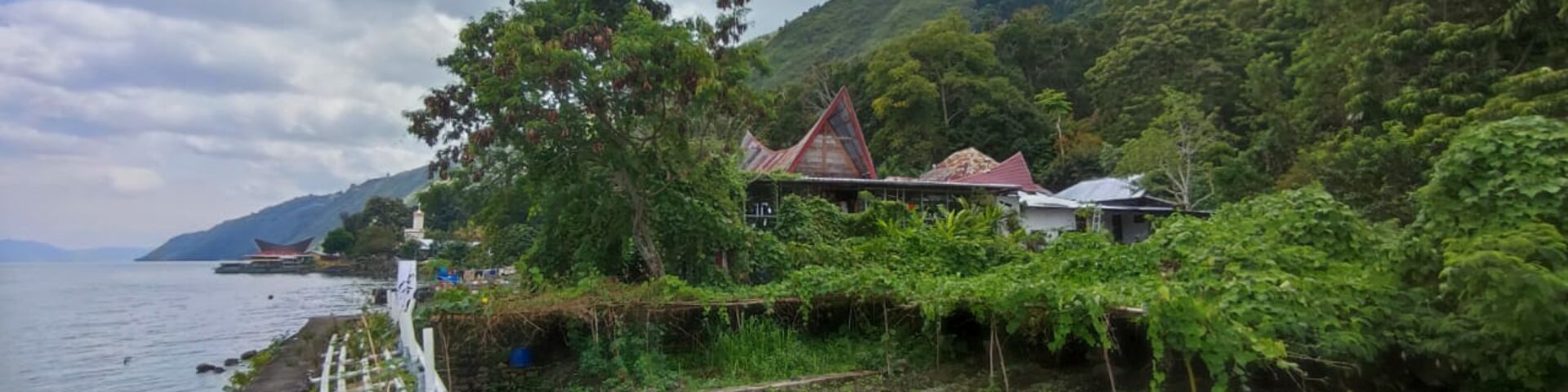
← Botanical Garden Silimalombu
HARENDONG
Basic Information
Malestoma malabathricum L., also known as Indian-rhododendron or Singapore Rhododendron, is a flowering plant in the family Melastomataceae. It is a small tree or shrub that can reach up to 5 meters in height and is native to Southeast Asia, India, and Australia.
The leaves of Malestoma malabathricum L. are dark green, glossy, and elliptical in shape, with a length of 7-15 cm and a width of 3-8 cm. The plant produces pink to purple flowers, which are about 2-3 cm in diameter and have four or five petals.
Malestoma malabathricum L. is known for its medicinal properties and is used in traditional medicine to treat various ailments, including fever, inflammation, and diarrhea. The plant contains several bioactive compounds, including flavonoids, tannins, and phenolic acids, which are believed to contribute to its medicinal properties.
Malestoma malabathricum L. is also used in landscaping and horticulture due to its attractive foliage and flowers. However, it should be noted that the plant can become invasive in some areas and may pose a threat to native flora.
Nutrition, Traditional Use and Research
The statements below describe nutrition facts, traditional use and published research. They are not health claims for our products.
- Harendong (Melastoma malabathricum, sanduduk in Batak) is traditionally used in folk practice in Southeast Asia and India. Leaves and bark are boiled to make a tea or decoction, which is used for complaints such as fever, inflammation and diarrhea. These are traditional uses only. They have not been confirmed by sufficient scientific evidence, and they are not a replacement for medical care.
- The plant contains flavonoids, tannins and phenolic acids, which show antioxidant activity in laboratory tests. Laboratory studies have examined extracts for anti-inflammatory, antimicrobial and other properties. These are early findings from cell and animal studies, and no health effect in people can be concluded from them.
- Please ask a healthcare professional before using herbal supplements or extracts made from this plant.
A fun fact about Malestoma malabathricum L. is that its fruit is edible and is used in some Southeast Asian cuisines. The fruit is a small, red, round berry that is sweet and slightly tart in taste. In Malaysia, the fruit is called “buah gelam” and is used to make a popular local drink called “Air Gelam,” which is believed to have cooling properties and is consumed to relieve thirst and heatiness. The leaves of the plant are also used to flavor dishes in some Southeast Asian cuisines.