

← Botanical Garden Silimalombu
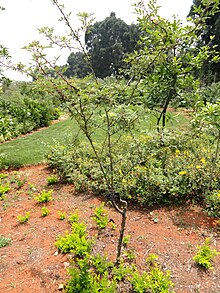
Much like the closely related Sichuan pepper (Z. piperitum), the seed pericarps are used as spices in cooking and have a similar tongue-numbing characteristic. However, in cooking, the flavour of andaliman has lemon-like notes (similar to those of lemon-grass) as well as a hint of the aromatic pandan leaf.
Source: https://en.wikipedia.org/wiki/Zanthoxylum_acanthopodium
Nutrition, Traditional Use and Research
The statements below describe nutrition facts, traditional use and published research. They are not health claims for our products.
- Andaliman (Zanthoxylum acanthopodium, Batak pepper) is a signature spice of Batak cuisine. It gives dishes a fresh, citrus-like aroma and a typical tingling, numbing sensation. It is closely related to Sichuan pepper, and similar spices are used in Indian, Chinese, Tibetan, Nepalese and Thai cuisine.
- According to the source cited below, andaliman contains vitamin A, iron, manganese, potassium, zinc and phosphorus, as well as antioxidants such as phytosterols, terpenes and carotene. Iron contributes to normal red blood cell formation, zinc to the normal function of the immune system, manganese and phosphorus to the maintenance of normal bones, and potassium to normal muscle function. Because andaliman is used in small amounts as a spice, its contribution to nutrient intake is small.
- In traditional folk practice, andaliman is used for pain and joint complaints. These are traditional uses only and have not been confirmed by sufficient scientific evidence.
- The antioxidants and organic acids in andaliman show antioxidant and anti-inflammatory activity in laboratory tests. Oxidative stress is being studied in connection with many diseases, but there is no scientific proof that andaliman prevents or treats any of them.
Surce: https://indonesiar.com/6-surprising-benefits-of-andaliman-the-special-spices-of-batak-people/